
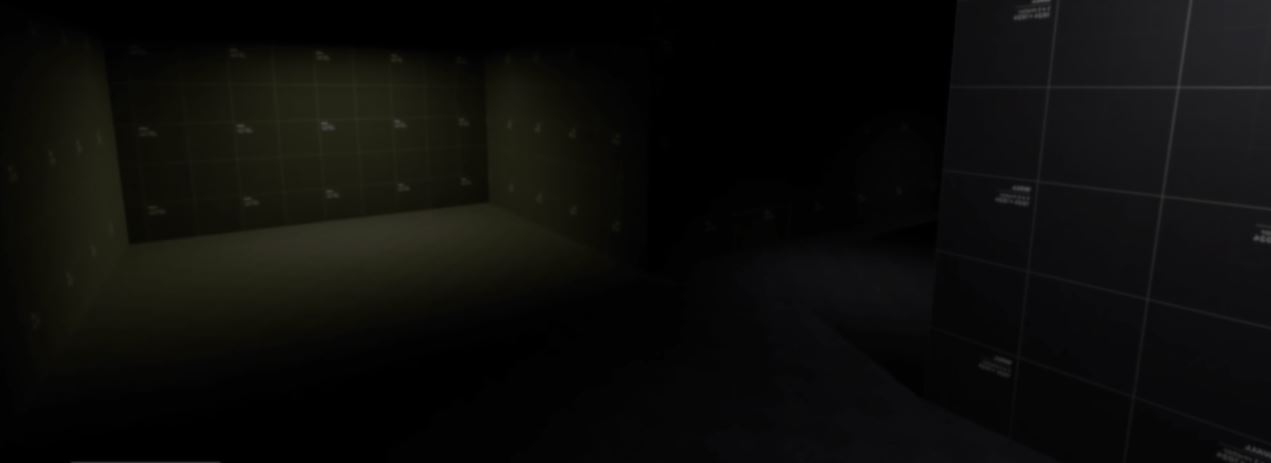
A first-person controller is usually one of the first things you make as a developer. Walking, running, crouching, and looking around are all fairly straightforward to implement.
What gives a controller its personality are the small details.
Inspired by Alien: Isolation, developer Advis set out to recreate the feel of its first-person movement. It recreates many of the subtle details that make the original controller feel grounded.
Walking uses a natural headbob, the camera rolls slightly while moving sideways, and mouse movement includes a small amount of smoothing.
Crouching follows the same idea. Before settling into its final position, the camera moves slightly forward, matching Ripley's movement in the game.
Transitions between walking, sprinting, crouching, and idle are also smoothed out, helping each movement state blend naturally into the next.
Behind those animations, player movement is organized as a finite state machine. Most gameplay logic runs inside _physics_process() to keep movement independent of the frame rate.
One part that required a bit more work was recreating the crouch movement. The crouch animation uses smoothstep(). The motion starts slowly, speeds up, and then eases into its final position.
The headbob uses different preset values for walking, sprinting, and crouching.
The controller also includes a stamina system. Its UI is updated through a single Godot signal, so the player and UI stay separate.
According to Advis, the controller is intentionally simple, with most of its feel coming from just the combination of many subtle effects.
If you'd like to learn more about the creator, you'll find the links below.
- X / Twitter: https://x.com/advisgames
- Itchio: https://advis.itch.io/
Interested in learning more?
If you are interested in shaders and the math behind game visuals, the Shaders Bible Collection brings together six books covering shader programming, procedural shapes, and core math concepts in Unity and Godot.
This is for developers, students, and creatives who want a better understanding of shaders, strengthen their fundamentals, and improve the visual quality of their projects.
Looking to get into technical art? ✨ Check out the "Shaders Bible Collection," a 6-book bundle for Unity and Godot!
— Jettelly Inc. (@jettelly) April 6, 2026
Available for limited time: https://t.co/0vLC31dz6m#techart #gamedev #indiedev #vfx pic.twitter.com/6co2fTSnTr
Jettelly wishes you success in your professional career!
Did you find an error? No worries!
Write to us at [email protected], and we'll fix it!

Level up your Technical Art skills with our new limited time bundle!
We invite you to explore "The Shaders Bible Collection", a comprehensive bundle on the concepts and fundamentals seen in this post.
Other posts that might interest you.
-
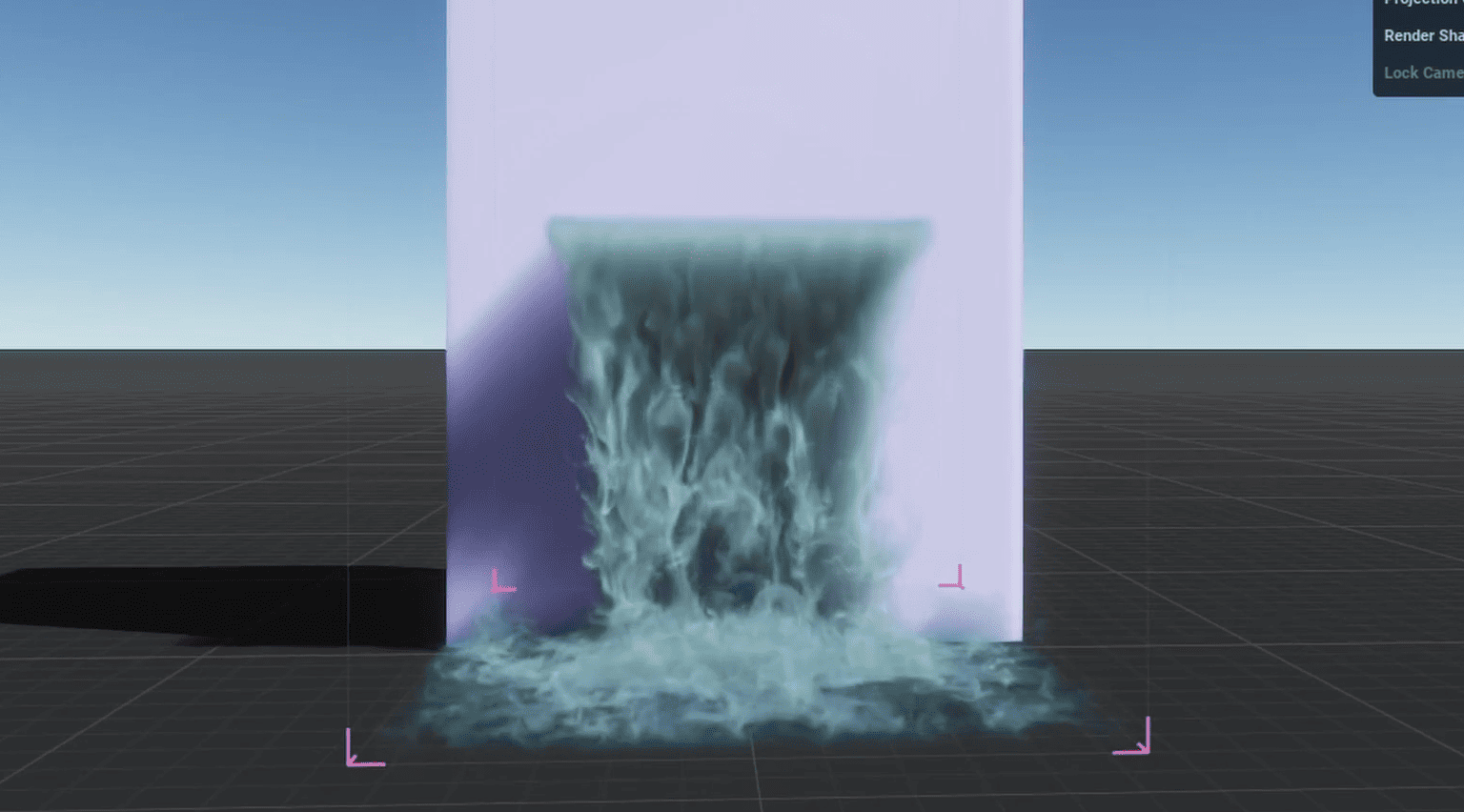 VFX artist Khayyam Allahyari shared how they're building a looping VDB waterfall for Unreal Engine, from shaping the simulation in EmberGen to making it loop without visible jumps.
 -
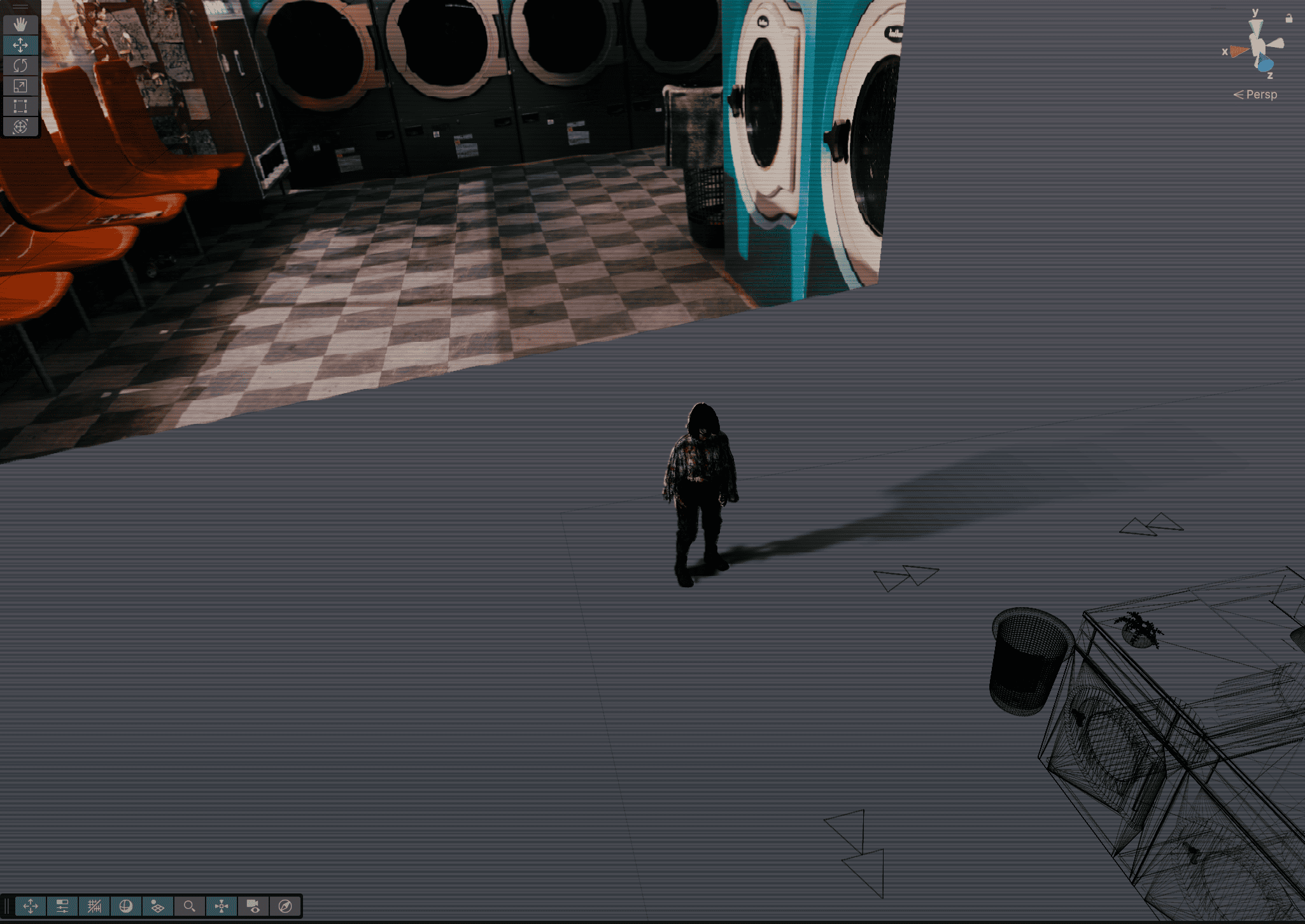 Indie developer Skyler shared how the pre-rendered backgrounds in Static Between Stations come together in Unity using Blender renders, invisible masking meshes, and more.
 -
 Honami is an open source animation system for Unity that replaces Mecanim with its own graph editor, timeline, rigging system, and runtime.
