
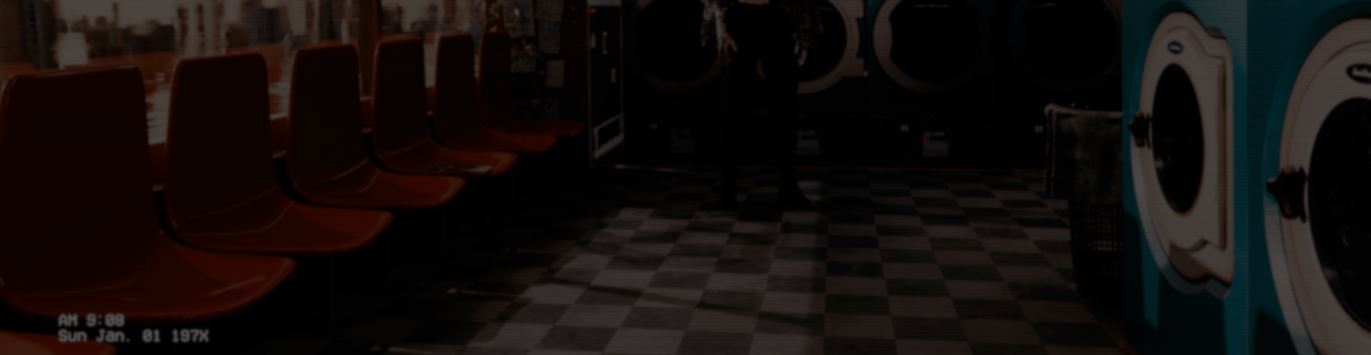
I've been making a video game where all the environments are prerendered using Blender. Here's how that works in-engine.
by u/staticbetweenstation in blender
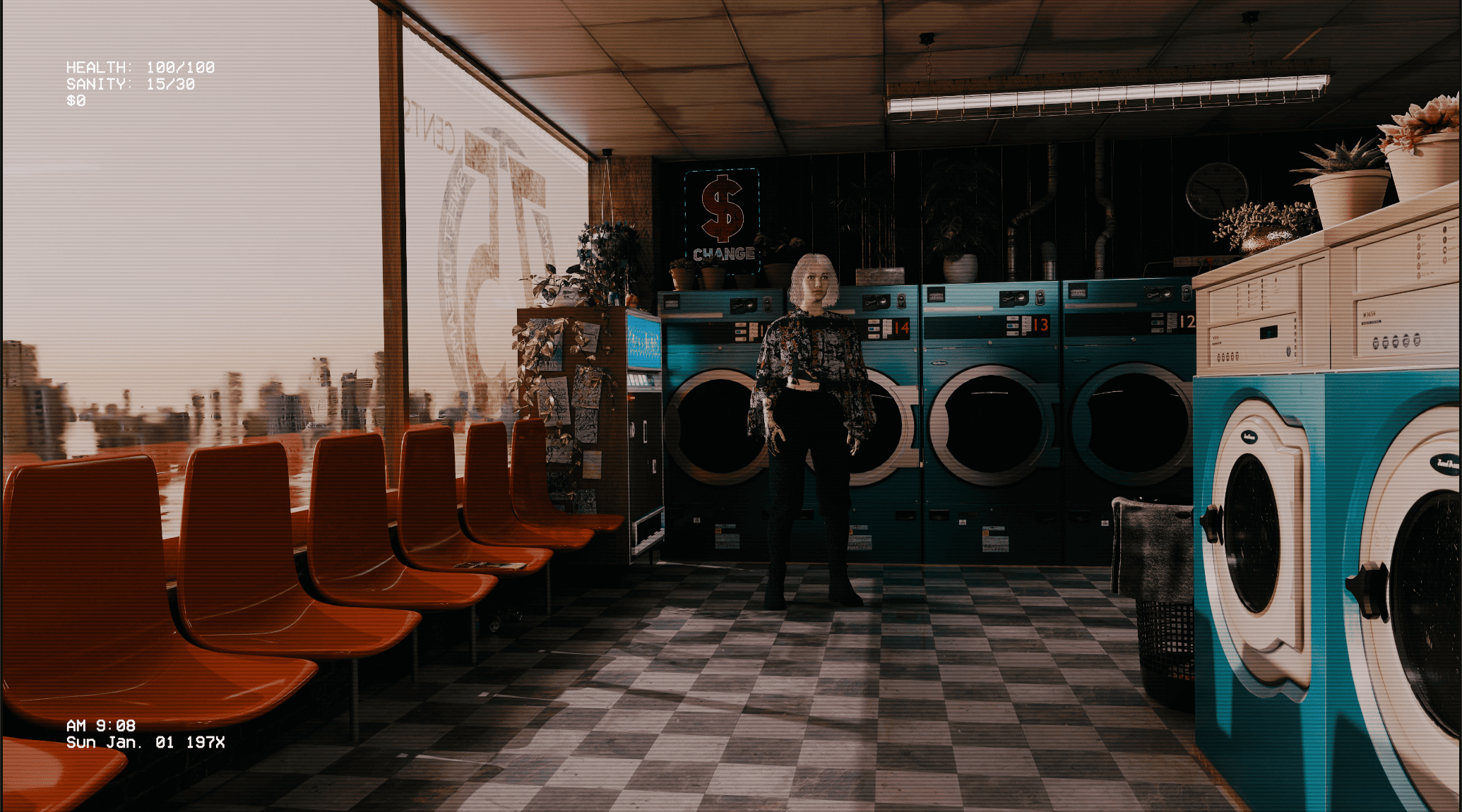
At first glance, Static Between Stations looks like a 3D game. The player walks behind furniture, disappears behind walls, and casts shadows that blend into the environment.
Most of what you see, however, is a pre-rendered image made in Blender. Only the player, collisions, and a few invisible meshes exist inside Unity.
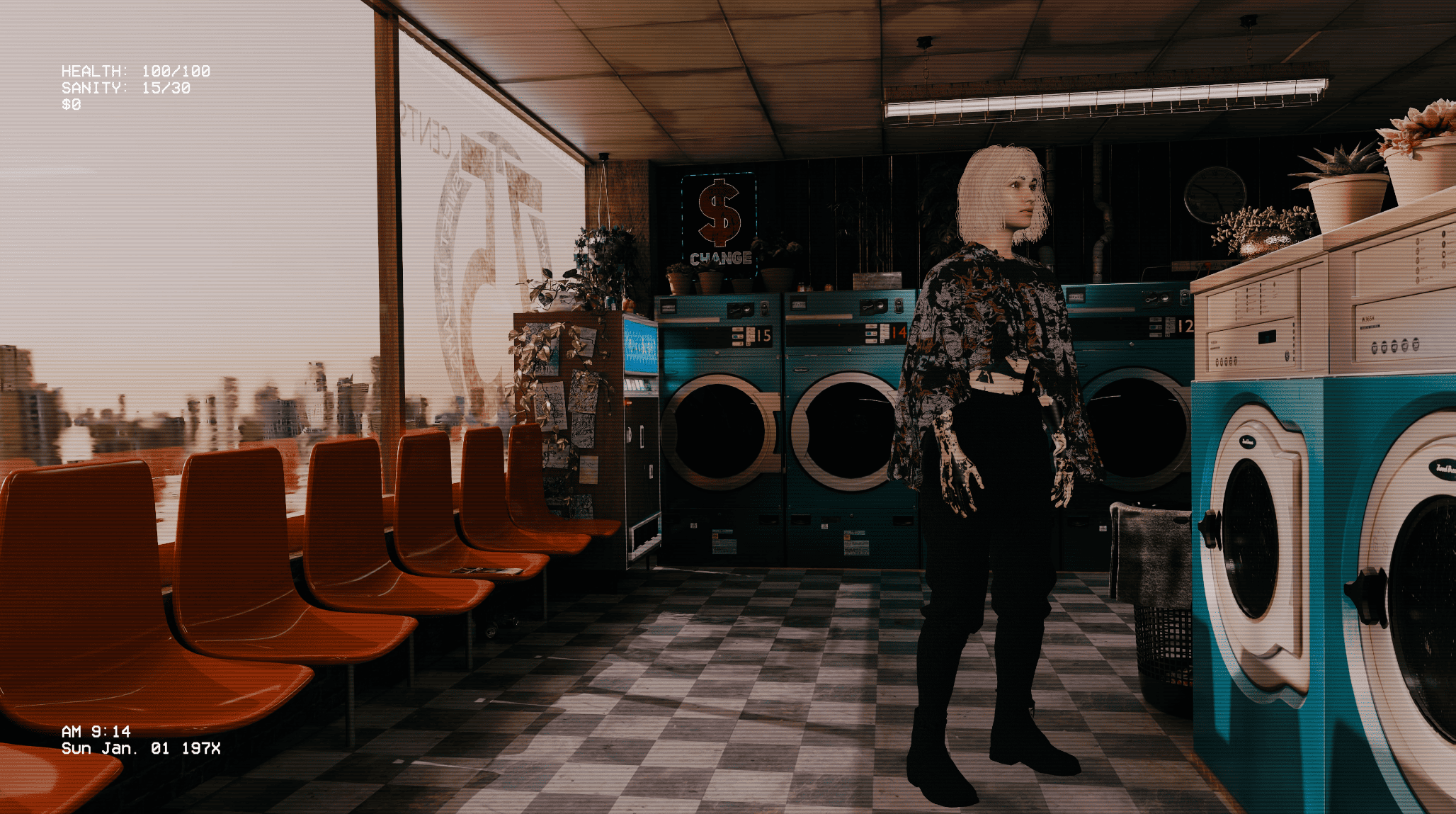
Every environment is rendered beforehand in Blender using Cycles. Along with each render, Skyler exports the camera and the foreground meshes that will later interact with the player inside Unity.
According to Skyler, this part was easier than expected. Exporting the scene as an FBX was enough for Unity to preserve the camera position and focal length, so everything lined up right away.
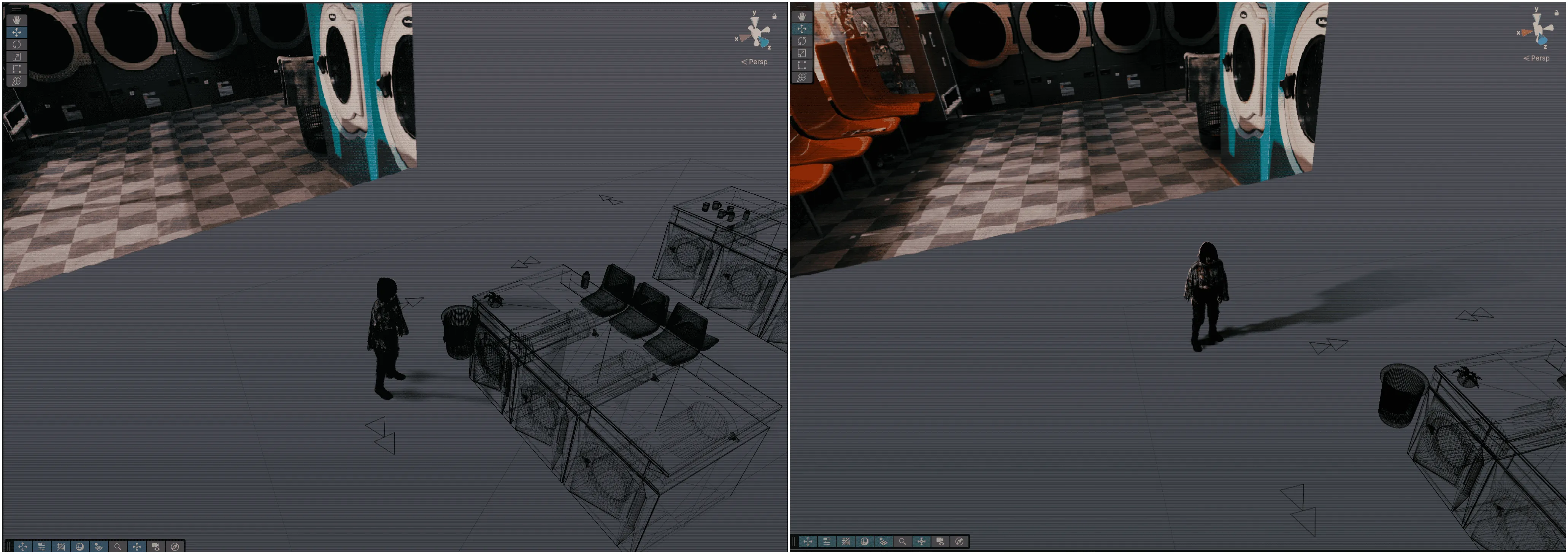
The foreground meshes never appear on screen. Their only job is to tell Unity when the player should disappear behind something already present in the rendered image.
Since the masking meshes draw nothing on screen, they stay invisible. A custom shader renders them before the player, making it disappear whenever it moves behind them.
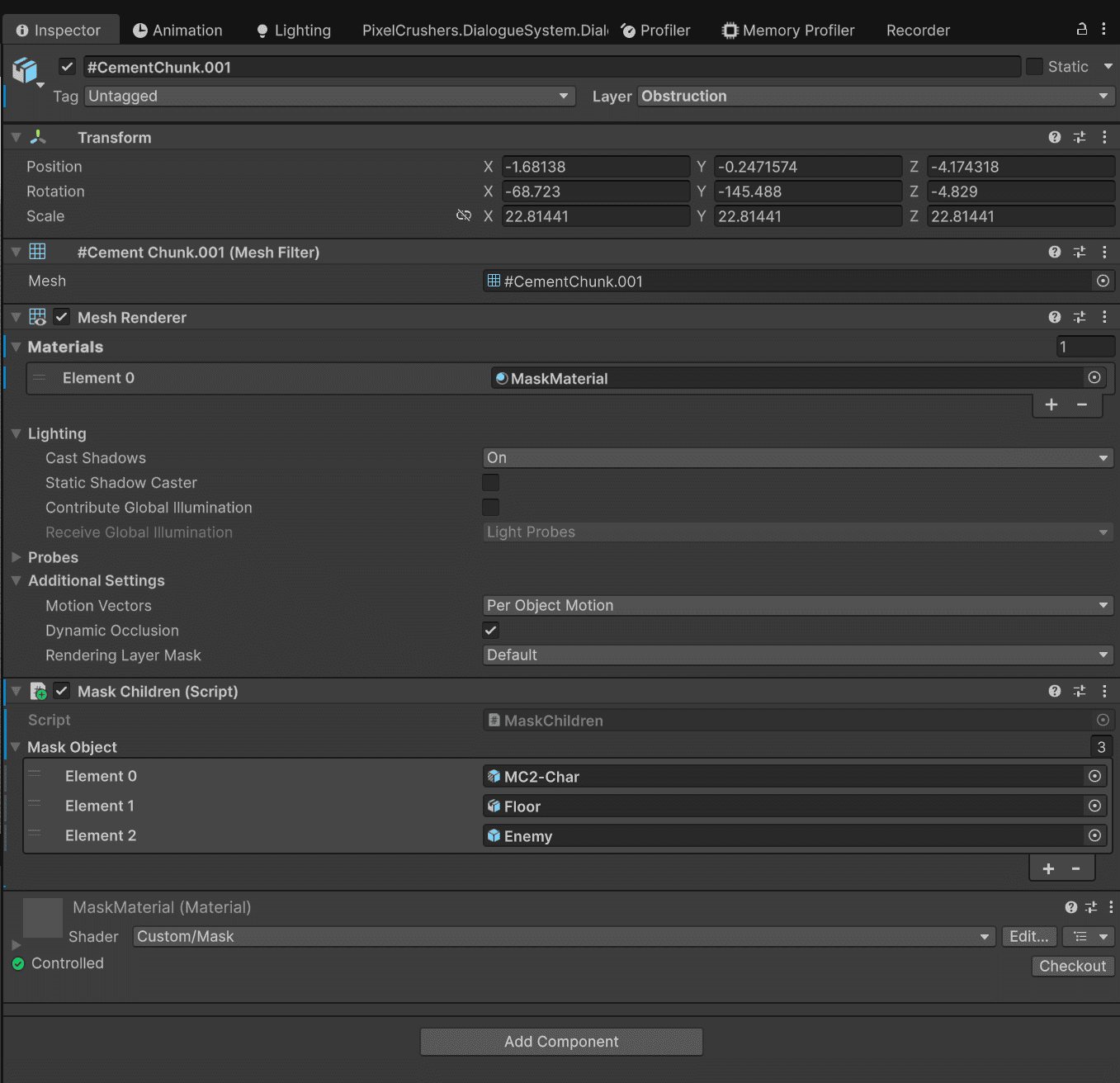
Early on, every object was assigned through the Inspector. Later, the project switched to Unity tags, although both methods are still supported because the original setup was never removed.
for (int j = 0; j < mats.Count; j++)
{
    if (mats[j].renderQueue < 3002)
        mats[j].renderQueue = 3002;
}
For shadows, the project uses a tool called Shadow Receiver URP. It lets shadows be cast onto the invisible meshes. Those surfaces are then duplicated, while the masking mesh hides everything outside the visible area.
The masking mesh leaves only the portion of the shadow visible to the camera. Without it, the entire shadow receiver would become visible across the surface.
One thing that seemed likely to become a problem was z-fighting, since both meshes occupy exactly the same space. It turned out not to be an issue, and Unity handled the setup without any noticeable artifacts.
Skyler says recreating the look of classic PlayStation games was never the goal. Combining path-traced backgrounds with real-time characters simply ended up producing a similar look.
If you would like to follow the development of Static Between Stations, you can find the Steam page and Discord below.
Want to learn more? 💡
If you’re interested in the technical side of Unity, the Unity Dev Bundle brings together six books covering shaders, math, procedural shapes, editor tools, and character customization. We invite you to check it out! =)
If you're getting into technical art or game development, this 70% off Unity bundle might interest you. It includes:
— Shaders Bible Series (@ushadersbible) June 29, 2026
- Math for Graphics
- Shaders
- Compute Shaders
- Tool Development
- Animation Implementation
- And more
➡️ https://t.co/1eA8907m5M#gamedev pic.twitter.com/dzac8f6X0V
Jettelly wishes you success in your professional career!
Did you find an error? No worries!
Write to us at [email protected], and we'll fix it!

Level up your skills in Unity! Grab our bundle and start learning today.
We invite you to explore "The Unity Dev Bundle", a comprehensive bundle on the concepts and fundamentals seen in this post.
Other posts that might interest you.
-
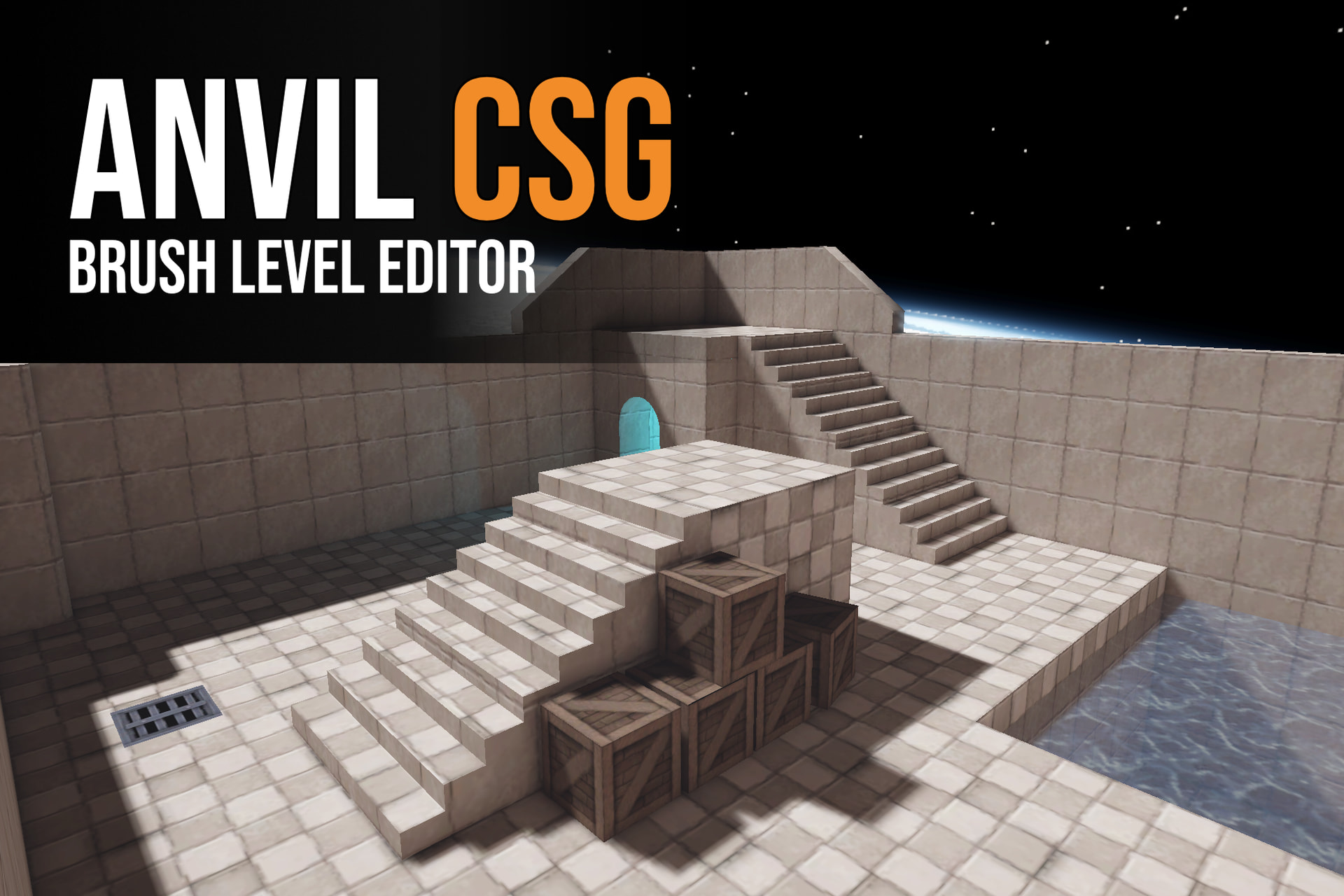 Anvil CSG lets you shape levels in a four-view editor and build them into Unity maps. Simun Dev shares how feedback from beta testers helped the tool grow.
 -
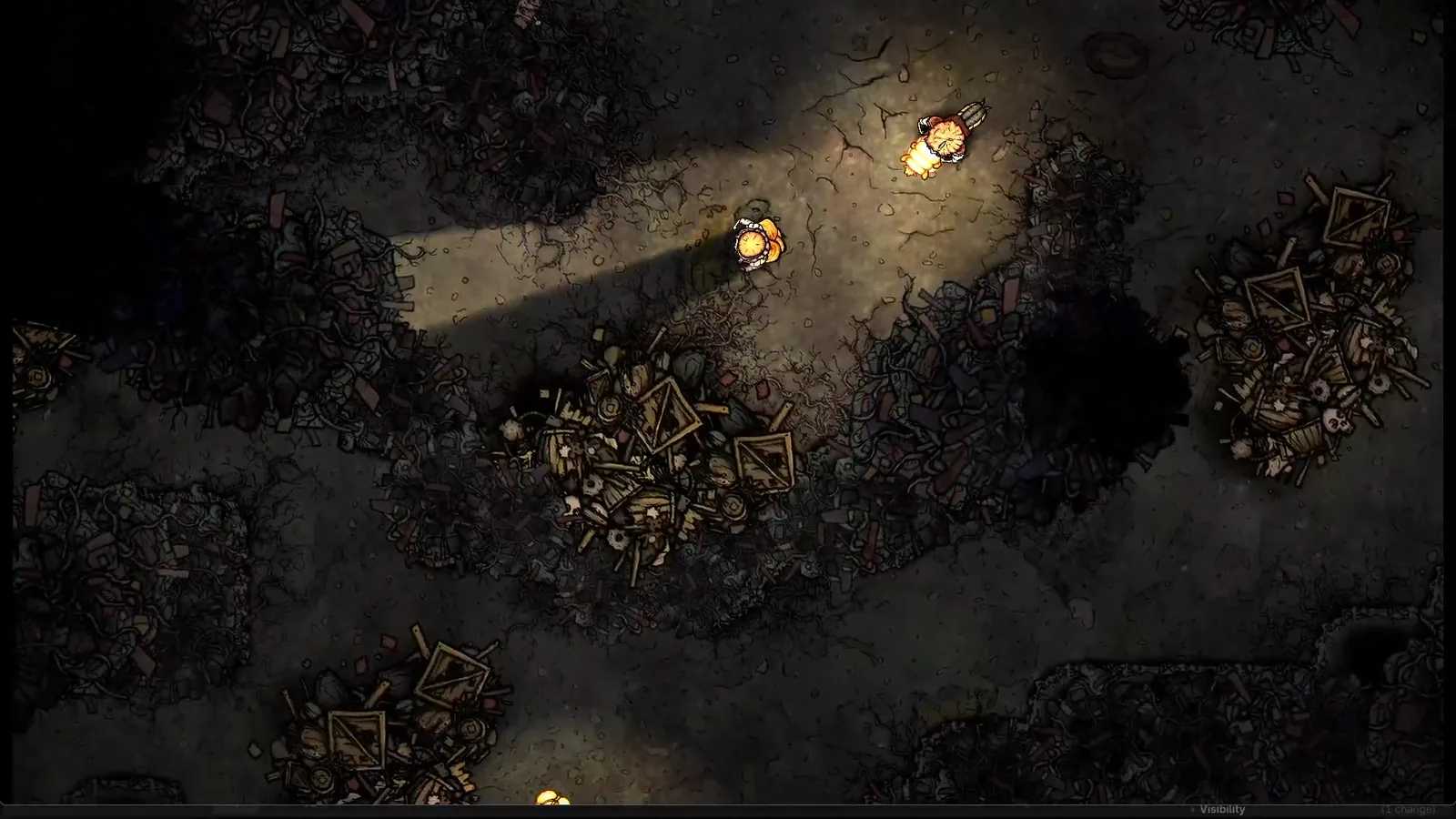 Silk & Sorrow's trees and trash piles seem to have height, but they are made from sprites. Florian Heynen of Snowberry Games made the effect by stacking, moving and lighting those layers in Godot.
 -
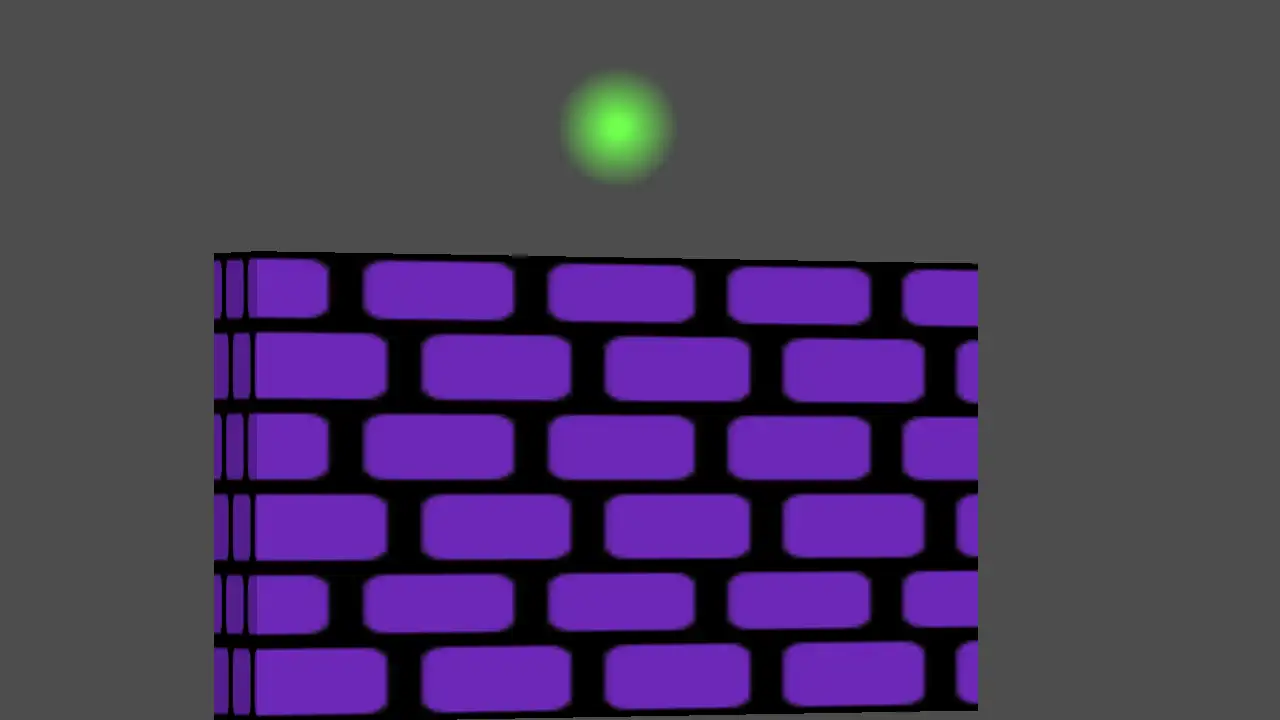 Perspective Quads gives 2D Godot scenes a sense of depth through texture warping, animated view changes and interfaces that stay interactive.
