
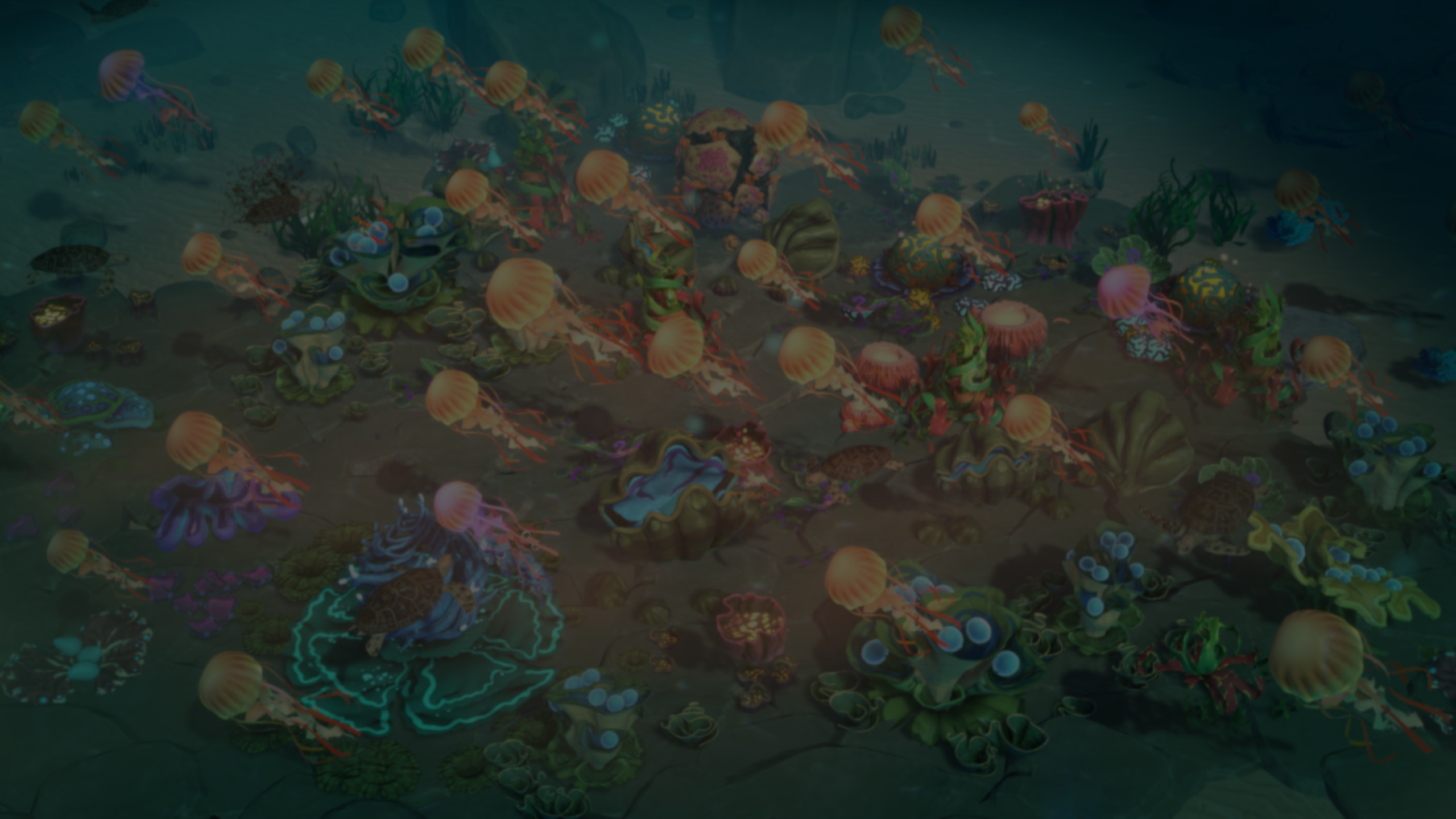
Megapop Games recently shared a look at their marine life simulation for their game Life Below, built using Unity’s Entities system.
Instead of controlling each fish on its own, the system uses a boids-based method. After reaching out, they shared some details about the process behind it.
we used DOTS and entities to simulate loads of fish for our coral reef city builder
by u/dalmins in Unity3D
Everything starts with three main rules the fish follows: separation, alignment, and cohesion.
- Separation: avoid getting too close to others
- Alignment: move in the same direction as the group
- Cohesion: stay close to the group
In the code, these rules run as independent jobs, which can lead to better performance when using multithreading.
public struct Boid : IComponentData
{
    public float MovementSpeed;
    public float TurnSpeed;
    public float Size;

    public float4 Velocity;
    public float4 AngularVelocity;

    public BoidType Type;
}
Each job handles a different force for the boids, for example, in the case of separation it checks nearby neighbors and applies a force to push them away.
public partial struct SeparationJob : IJobEntity
{
    [WriteOnly] public NativeArray<float4> Separation;

    [ReadOnly] public NativeParallelMultiHashMap<int2, Entity> BoidCells;
    [ReadOnly] public ComponentLookup<LocalTransform> TransformLookup;

    public float AvoidFactor;

    public void Execute(Entity e, int index, in LocalTransform transform, in Boid boid)
    {
        var delta = float4.zero;

        var key = (int3)(transform.Position * ChunkSize);
        key.y = 0;

        var neighbors = BoidCells.GetValuesForKey(key.xz);

        while (neighbors.MoveNext())
        {
            if (neighbors.Current.Equals(e)) continue;

            var other = TransformLookup[neighbors.Current];

            if (math.distancesq(transform.Position, other.Position) < boid.Size * boid.Size)
            {
                delta += transform.Position.xyzz - other.Position.xyzz;
            }
        }

        Separation[index] = delta * AvoidFactor;
    }
}
Once all these forces are ready, a final job combines them. That happens in the MoveJob, where everything comes together and gets applied to the boid’s velocity.
public partial struct MoveJob : IJobEntity
{
    [ReadOnly] public NativeArray<float4> Separation;
    [ReadOnly] public NativeArray<float4> Alignment;
    [ReadOnly] public NativeArray<float4> Cohesion;

    public float DeltaTime;

    public void Execute(ref LocalTransform transform, ref Boid boid)
    {
        var velocity =
            boid.Velocity +
            (Separation[index] + Alignment[index] + Cohesion[index]) * DeltaTime;

        boid.Velocity = velocity;

        transform.Position += boid.Velocity.xyz * DeltaTime;
    }
}
Beyond the base behavior, there are also other systems that can affect movement, like housing areas where fish tend to stay, obstacle avoidance, and interactions between species.
These are handled as separate jobs, adding their own forces to the final result.
But, how does all this affect performance? Well, to keep things running well, the system avoids comparing each fish with all the others, instead it groups boids based on their position and only calculates distances within those groups.
The system works well with SIMD, using compatible data types and avoiding unnecessary branching inside the jobs.
If you would like to learn more about Life Below or the team behind it, you can find their links below.
- BlueSky: https://bsky.app/profile/lifebelow.net
- Website: https://www.lifebelow.net/
- Megapop Games: https://www.megapopgames.com/
Interested in learning more?
If you’re interested in the technical side of Unity? The Unity Dev Bundle brings together six books covering shaders, math, procedural shapes, editor tools, and character customization.
This is for developers and technical artists who want to build a stronger foundation and work with more advanced graphics and systems in their projects.
Shaders, tools, animation, math, and more, the new "Unity Dev Bundle" is still available for a bit longer. 🔥 Get it here: https://t.co/gPPcuZDuFX#unity3d #gamedev pic.twitter.com/mnxRUCtUHC
— Jettelly Inc. (@jettelly) April 8, 2026
Jettelly wishes you success in your professional career!
Did you find an error? No worries!
Write to us at [email protected], and we'll fix it!
Level up your Unity skills with our new bundle!
We invite you to explore "The Unity Dev Bundle", a comprehensive bundle on the concepts and fundamentals seen in this post.
Other posts that might interest you.
-
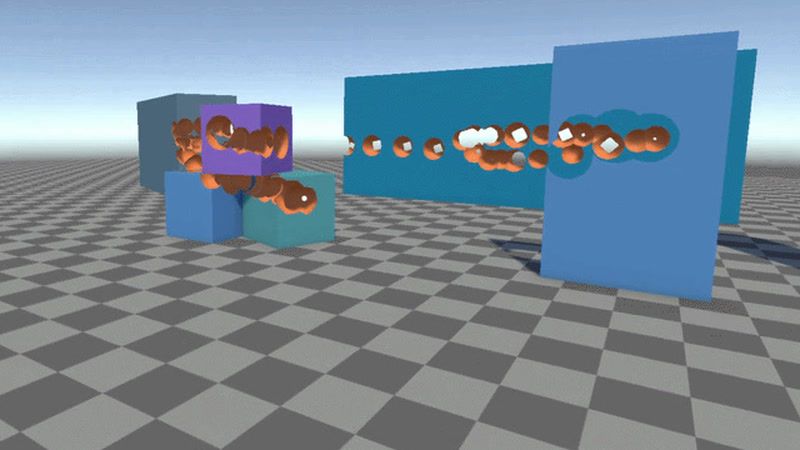 Johann Hotzel built a free Unity library that cuts holes into meshes while a game is running. In his demo, the collider changes too, so shots can pass through.
 -
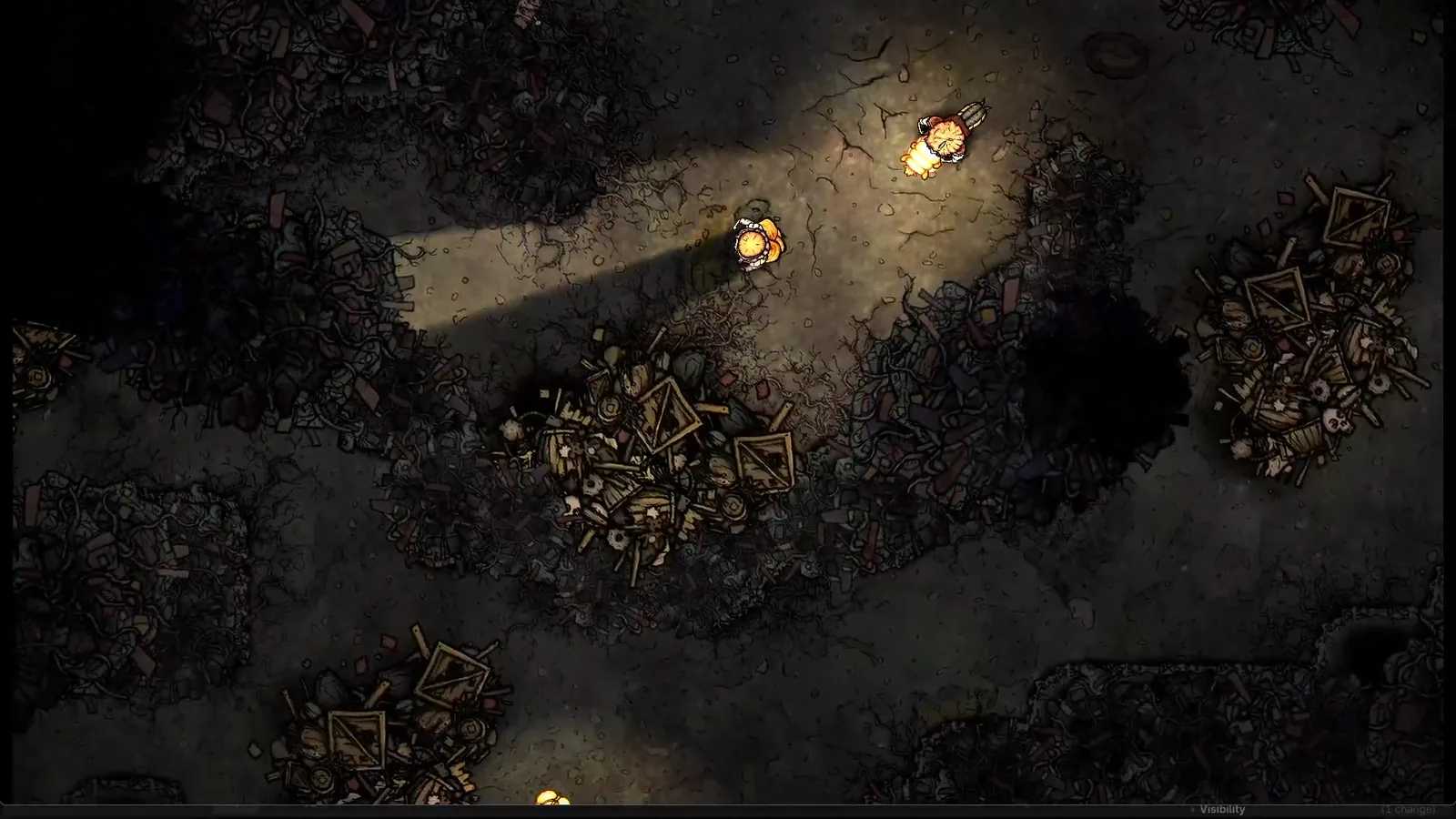 Silk & Sorrow's trees and trash piles seem to have height, but they are made from sprites. Florian Heynen of Snowberry Games made the effect by stacking, moving and lighting those layers in Godot.
 -
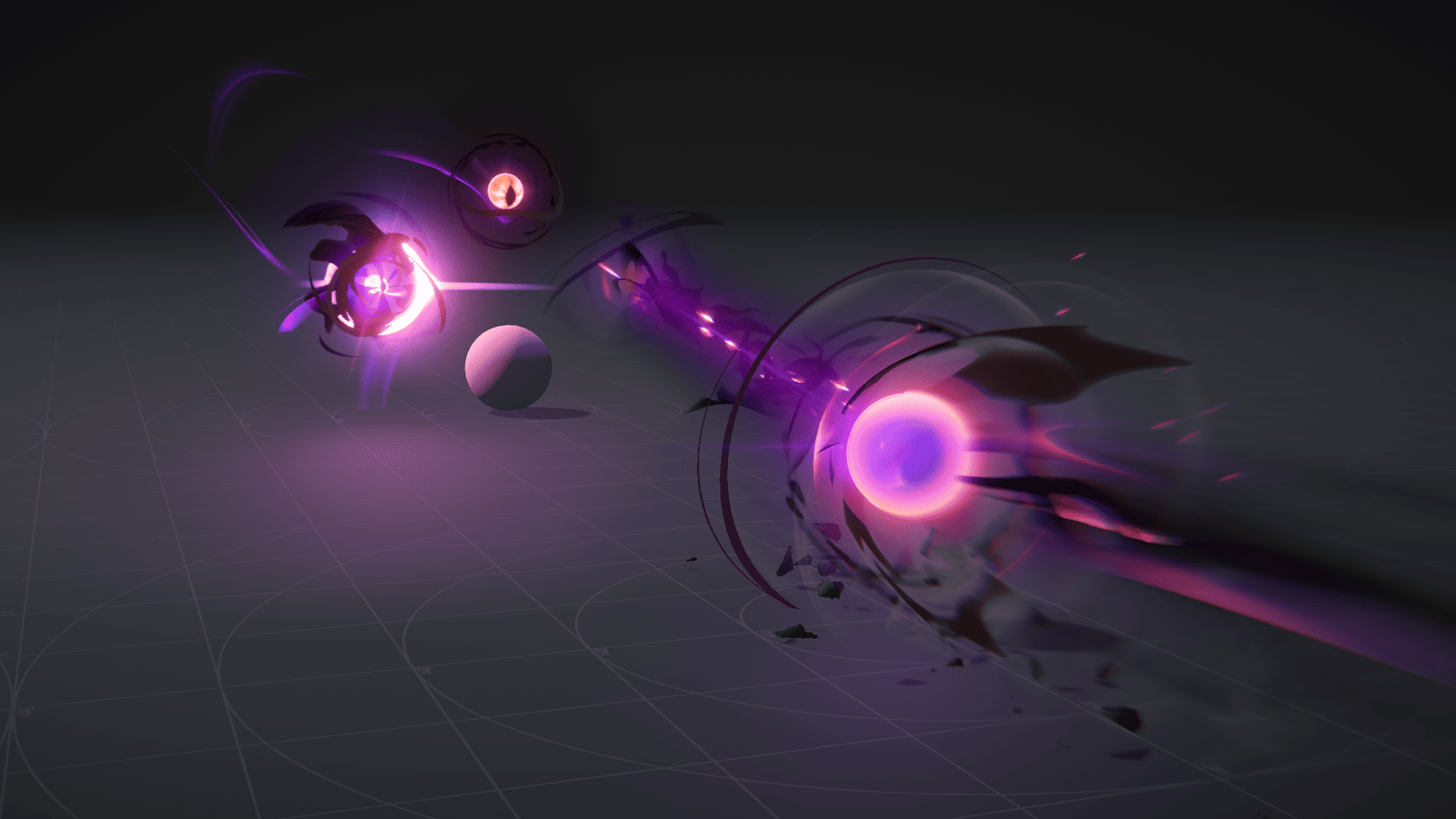 Ryan Gee’s Eldritch Blast uses procedural eyes and exaggerated motion to give the spell weight, without relying on camera shake.
