
If you’re getting into shaders in Godot, The Godot Shaders Bible is a solid place to start. It explains the basics without assuming prior experience, then slowly builds into more advanced topics.
You can learn things like:
- How Godot’s shader language works
- How meshes, materials, and shaders connect
- Different lighting models and rendering techniques
- Procedural shapes, shader math, and vertex animation
- Post-processing effects, screen-space VFX, and ray marching
The live preview gives a small look at some of these concepts, while the full book goes much deeper into them.
These are all the shaders we've created so far while writing the Godot Shaders Bible! Want to learn shaders? Start step by step today! ✨ https://t.co/pTFh4XfXUt#godot #indiedev #3DCG pic.twitter.com/mXFKQ6Sn3k
— Shaders Bible Series (@ushadersbible) December 1, 2025
For example, one of the things the sample explains is what a shader actually does inside Godot.
In simple terms, shaders are small programs that run on the GPU and control how objects are drawn on screen, using things like position, color, textures, and lighting data.
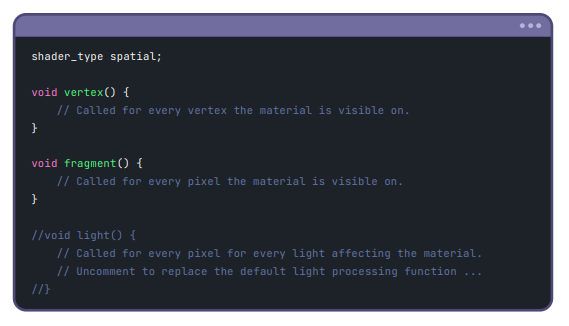
(Godot shader structure with vertex() and fragment(), p. 35)
In Godot, shader files are usually split into two main parts: the vertex() function, which changes the geometry before it gets rendered, and the fragment() function, which controls how the final surface looks on screen.
Before the final image appears on screen, the mesh data goes through multiple stages inside the render pipeline, where things like vertices, UVs, normals, lighting, and screen space transformations are processed step by step. The vertex() and the fragment() functions are some of the most important parts of this pipeline.
Before the final image appears on screen, the mesh data goes through multiple stages inside the render pipeline, where things like vertices, UVs, normals, lighting, and screen space transformations are processed step by step. The vertex() and the fragment() functions are some of the most important parts of this pipeline.
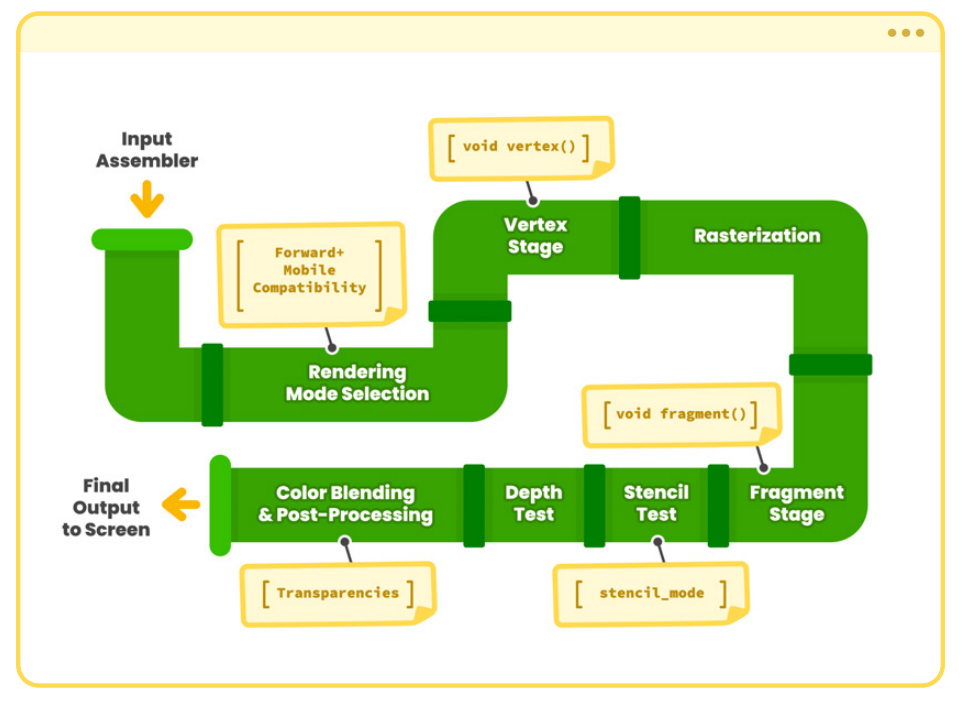
(Render Pipeline stages inside Godot, p. 36)
If you want to learn more, the book goes deeper into this. If you don’t feel sure yet about it, the live preview gives you an idea of how it is. Click on the book's Quick View button to check it out!
Level up your Technical art skills! 📚
Check out the full version of the Godot Shaders Bible here.
Jettelly wishes you success in your professional career!
Did you find an error? No worries!
Write to us at [email protected], and we'll fix it!
Other posts that might interest you.
-
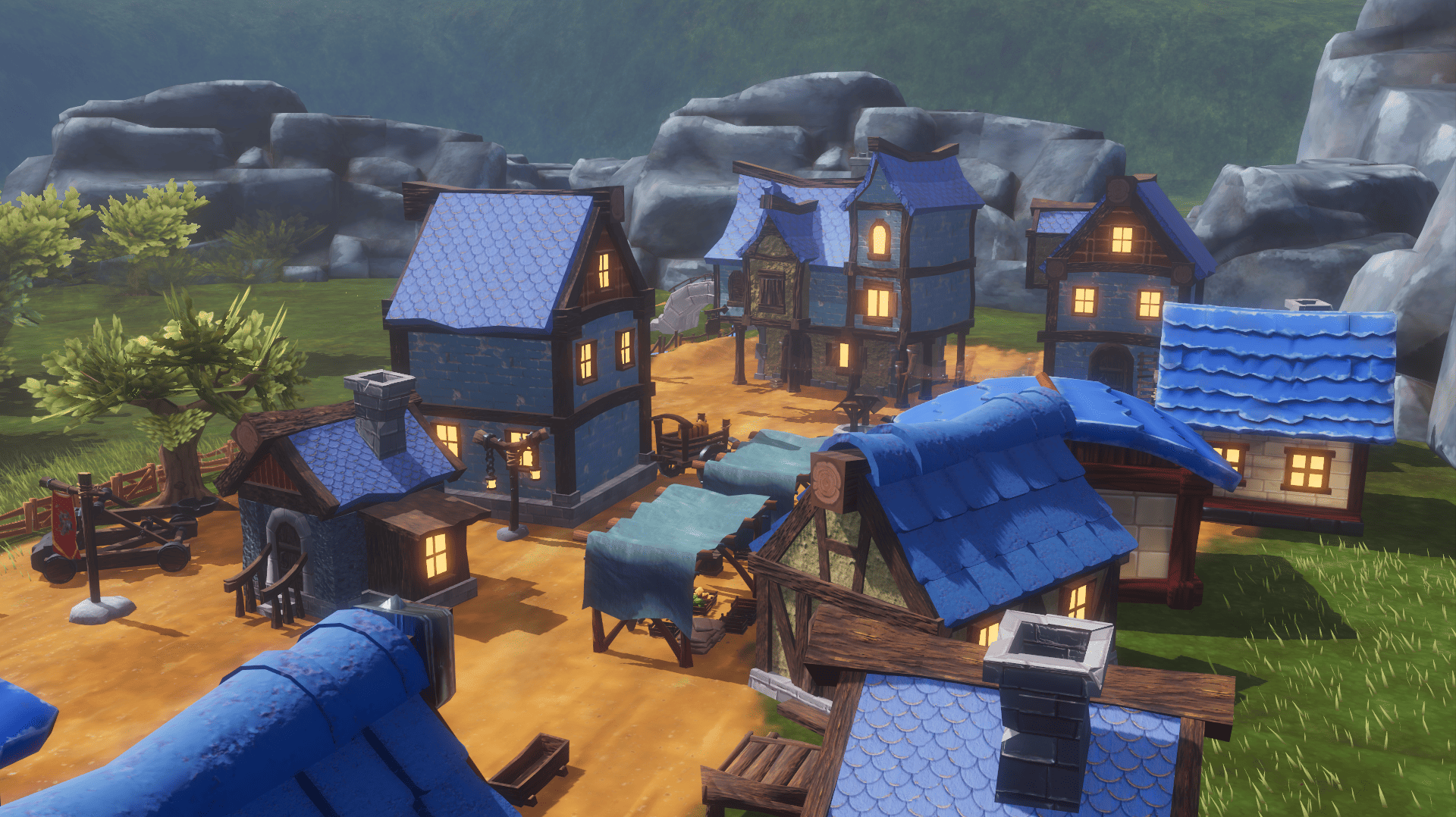 What began as a Blender challenge grew into 40 free models and a playable Godot scene showing how they work together.
 -
 Calin P. turned lessons from building a PS1 emulator into a Godot 4 addon that follows the original console's rendering behavior.
 -
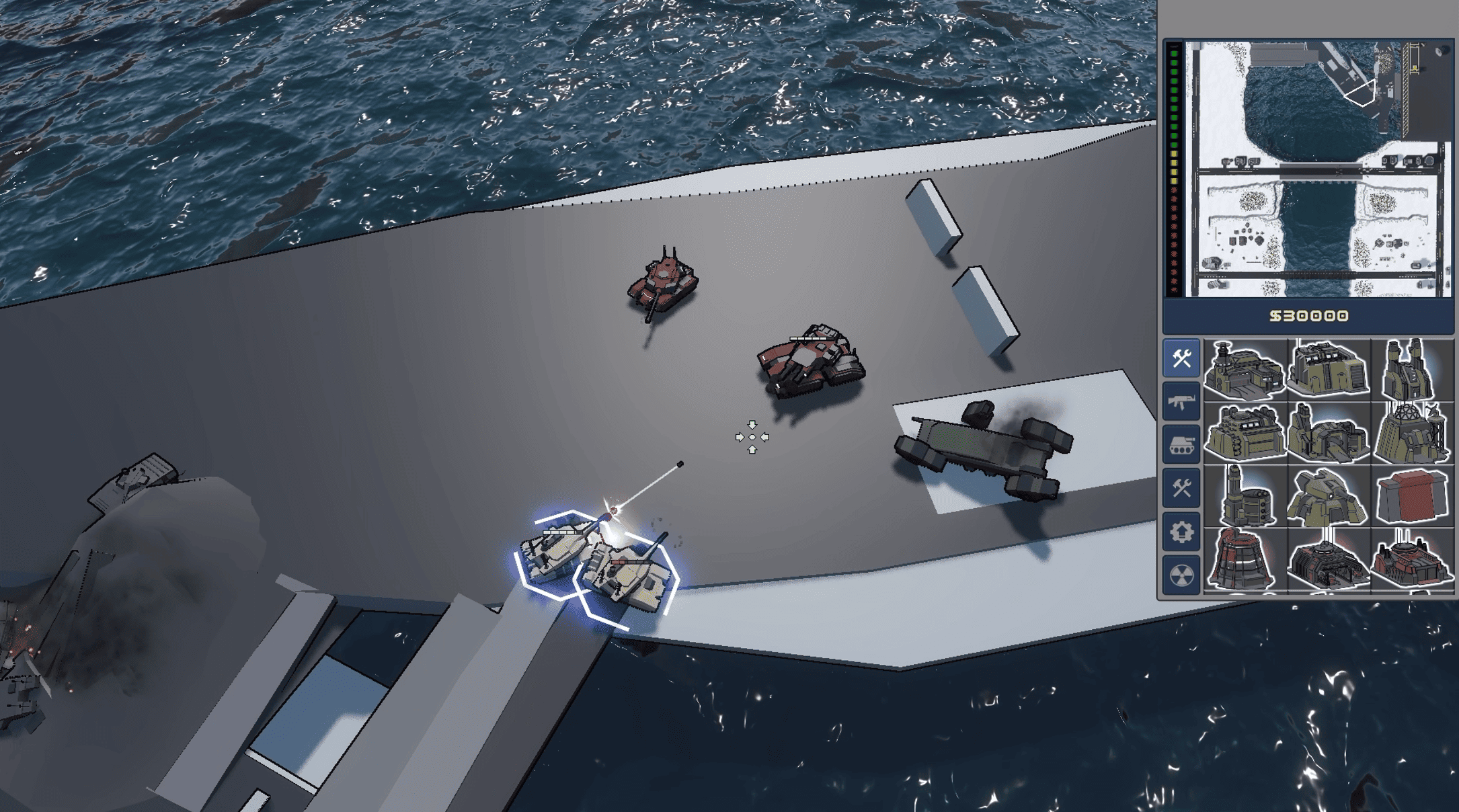 Developer Smitty explains how players can build complete campaigns and model environment props in Steel Command. He also breaks down how pathfinding updates after each map edit.
