
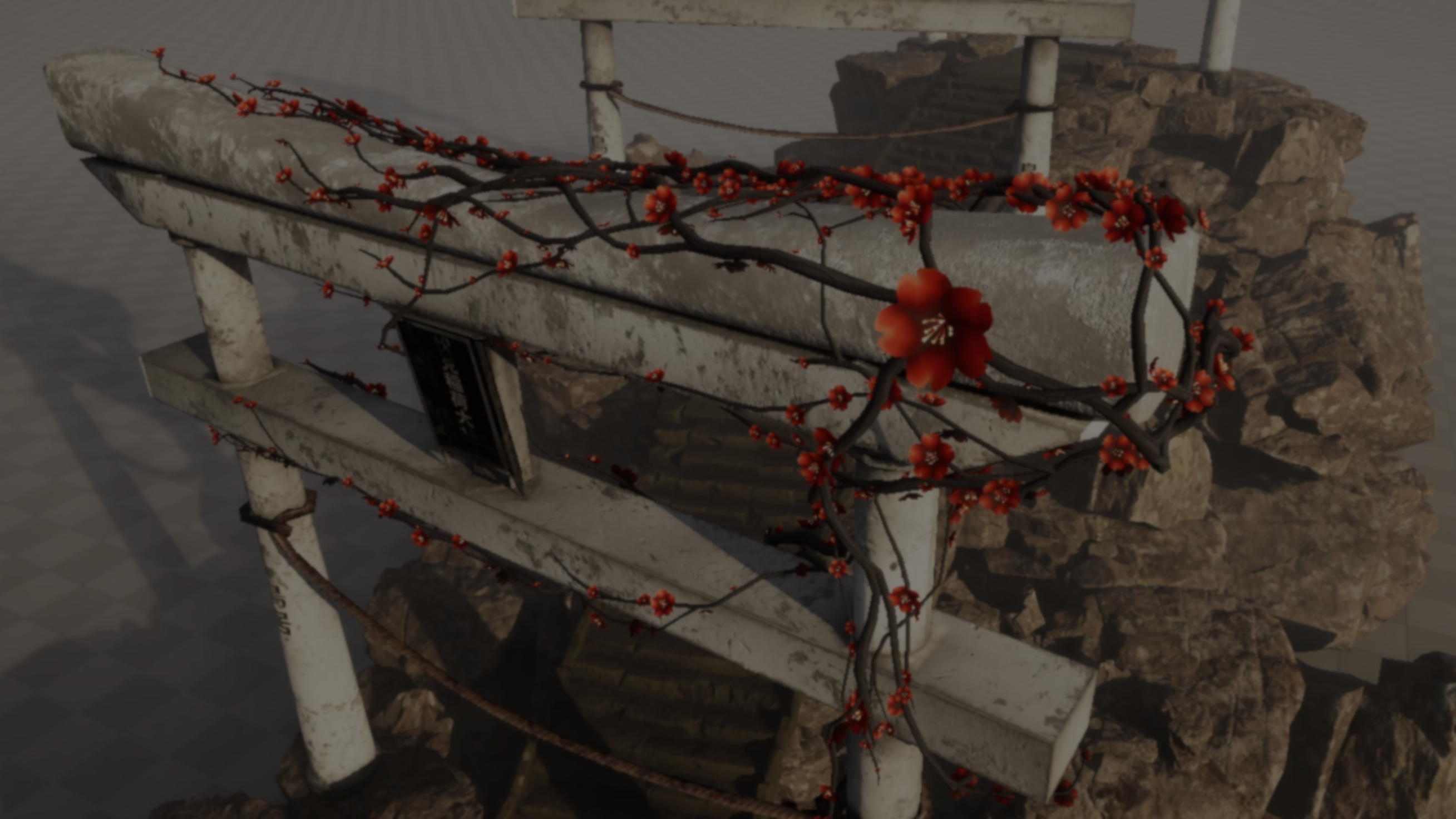
Furkan Doğan shared an ivy simulation running inside Unreal Engine, where the vines grow, branch, and spread across surfaces in real time.
After reaching out, he shared a full breakdown of how this VFX was built, along with progress clips showing how it evolved into the final result.
Furkan decided to split the process into a few steps, to explain it better.
The first step was simple, the system spawns particles and snaps them to nearby surfaces using Global Signed Distance Fields.
The first step was simple, the system spawns particles and snaps them to nearby surfaces using Global Signed Distance Fields.
From there, the particles begin to build a path. Instead of just disappearing, they stay in place, so over time they leave a visible trail behind them.
That trail becomes the base for the vines. By switching the renderer to a ribbon setup, the particles connect into a continuous shape, starting to resemble a growing strand.
Once that base was working, the next step was branching.
Ivy behaves a bit like an L-System, constantly splitting into new branches. That kind of logic is easy to do on CPU with recursion, but on GPU it doesn’t work the same way.
Instead of checking each strand and deciding when to branch, the system assumes that every strand could branch. It spawns enough threads for that case, then ignores the ones that shouldn’t exist.
After that, movement comes in. At this point the vines were growing, but in straight lines, which didn’t look very natural.
To fix that, Furkan added a noise offset so the strands shift slightly as they grow. This breaks the straight line pattern and makes the ivy feel more like it would in real life.
From here, the final steps are mostly visual and polish. Furkan adds a material so the vines glow slightly as they appear, and flowers show up along the strands as they grow.
The flowers are static meshes and they are animated using world position offset in the material. Here’s a quick breakdown to help explain the whole process better:
You can see more of Furkan’s work in the link below.
Interested in learning more?
If you’re interested in the technical side of Unity, the Unity Shaders Pro Bundle brings together three books covering shader fundamentals, procedural shapes, and compute shaders.
From vertex-fragment to compute shaders! This bundle will introduce you to technical art in Unity 🔗 https://t.co/MQP1nKiD0x#unity3d #indiedev #gamedev pic.twitter.com/4R28qM64AU
— Shaders Bible Series (@ushadersbible) April 8, 2026
Jettelly wishes you success in your professional career!
Did you find an error? No worries!
Write to us at [email protected], and we'll fix it!
Other posts that might interest you.
-
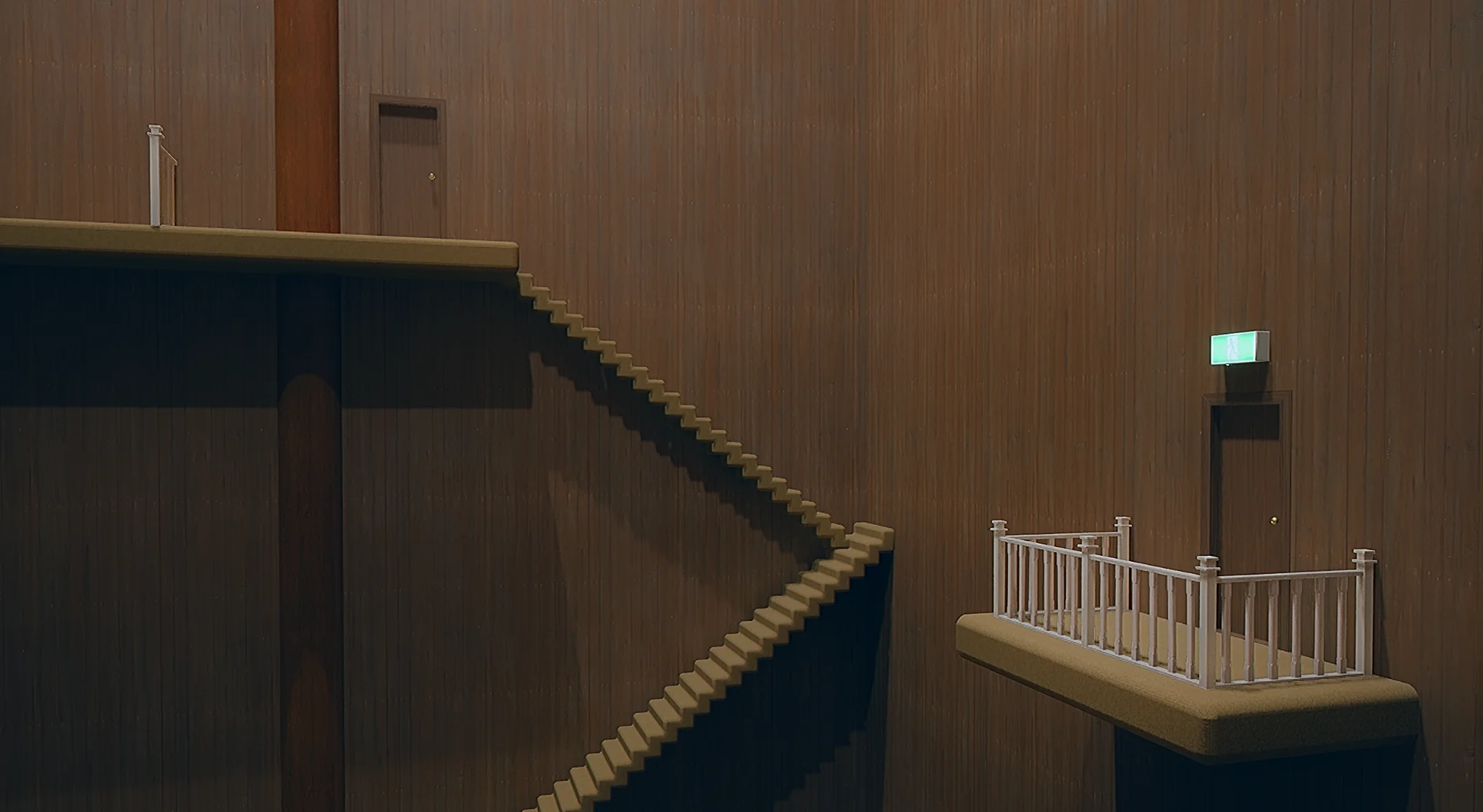 Rooms in Beyond The Frame change when you look away, and the same door can lead somewhere new. Nash and Jay explain how they keep players from getting lost along the way.
 -
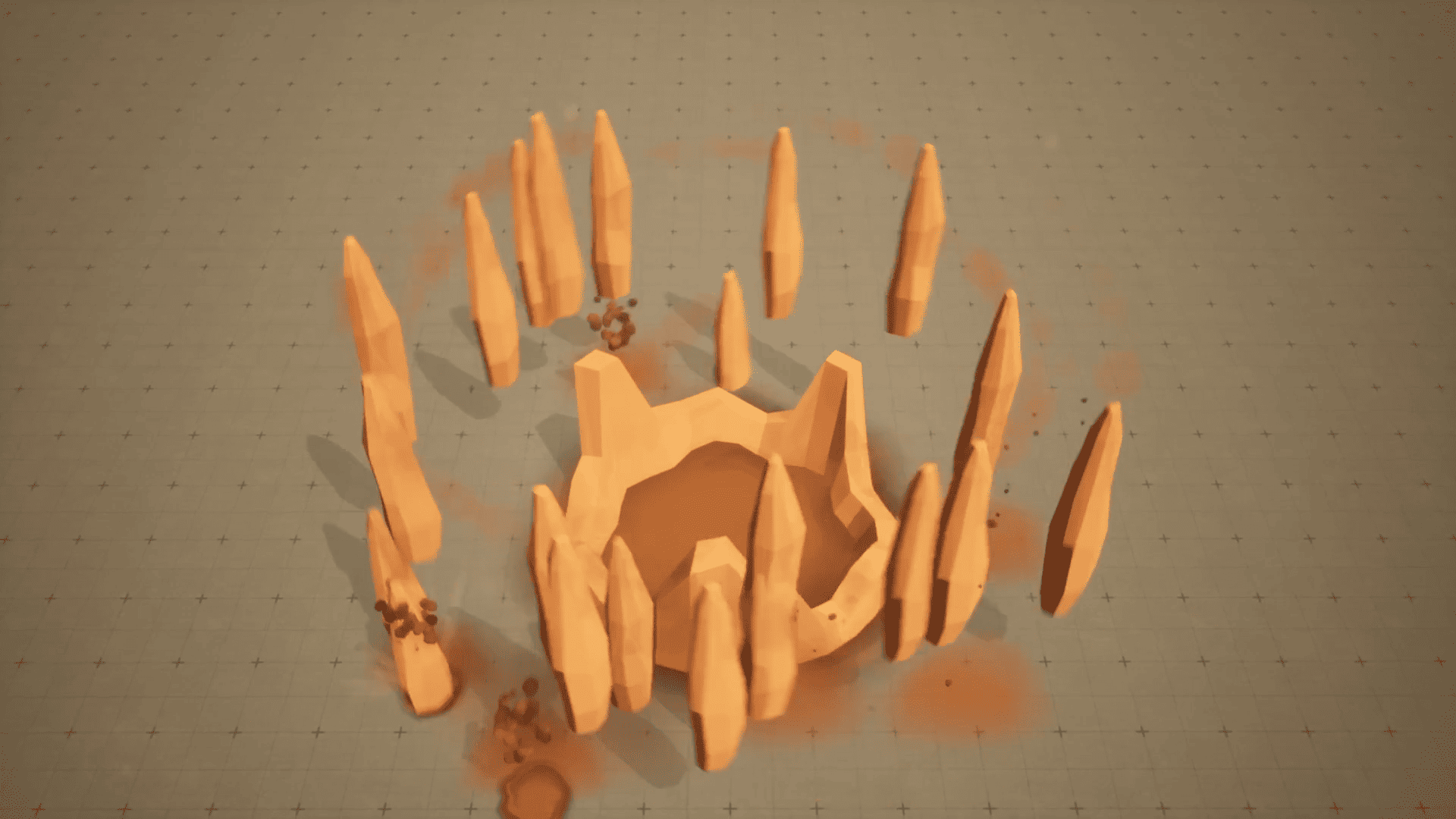 Earth's Wrath starts with a warning on the ground, raises a cage of rock, then builds toward a massive final impact. Kuzey Can shares how he made the VFX in Niagara.
 -
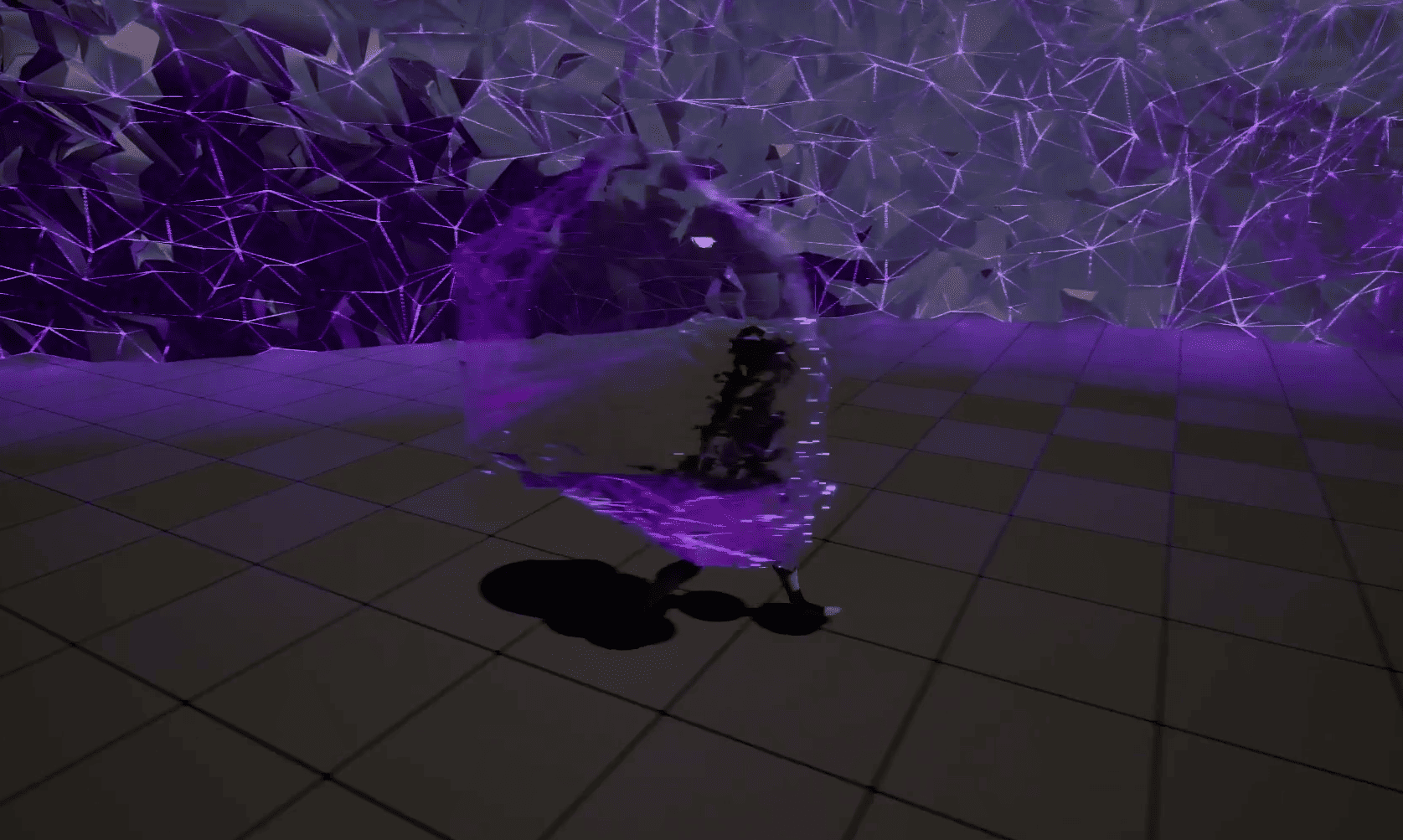 A static mesh bends and reacts to nearby objects as its vertices follow Niagara particles. Nguyen Tan Sang shares how he built the VFX.
