
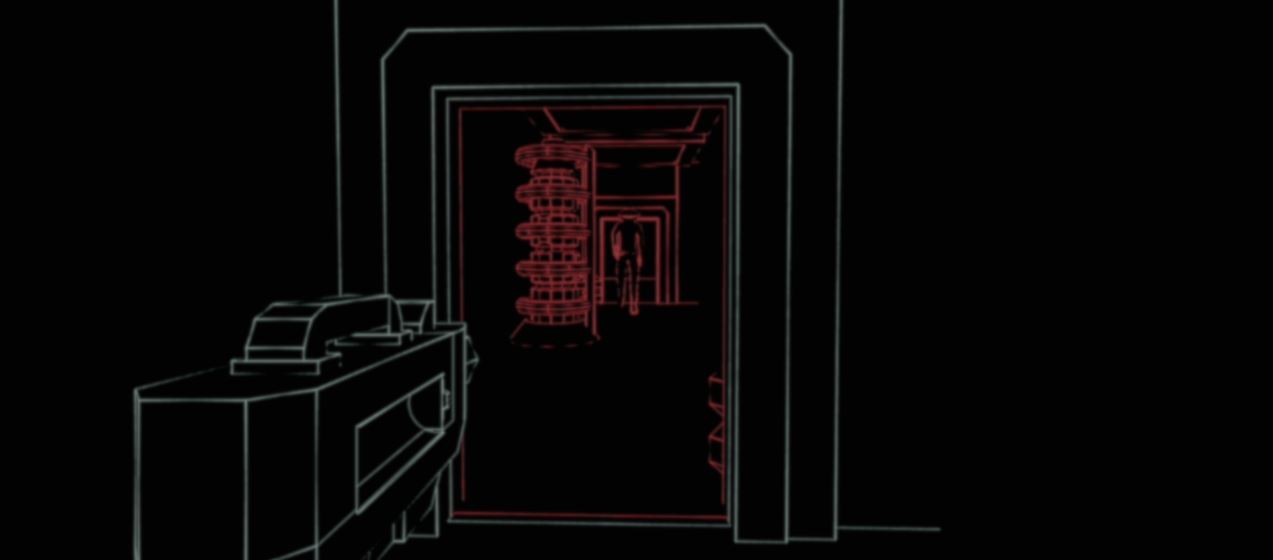
Liam Flannery and John Salvaris made Impermanence in a week for the Brackeys Game Jam. They were using game jams to try ideas for their next project.
Liam first imagined a world where you could take objects from visions and use them in reality. That idea eventually became rooms that change when you look away from their doorways.
They tested the room change with Kenney assets. Each room has three versions loaded at once. The game shows one and hides the other two, disabling their collisions and navigation as well.
The tricky part was knowing when a doorway was about to come into view. The game continually checks which parts of its opening fall within the camera's view, then sends raycasts toward that portion's center and corners to see if anything blocks them.
Liam and John also check where the camera is about to point as the player turns. If a doorway is about to come into view, the room changes before the player sees it.
Once the room change felt right, they built enemies around looking and looking away. One moves when you are not watching it. Another, a parasite with an eye for a head, pulls your view toward it and lowers your mouse sensitivity as you look at it.
They used a shader to show just the outlines of objects, helping models from different asset packs look like they belong together. Each dimension has its own color, so players can tell when a room changes.
Those dimensions became part of the puzzles and combat too. The laser gun's battery determines the color it fires, and some puzzles have you line up wires across dimensions.
Impermanence placed 49th for Innovation among more than 2,200 jam entries. Liam and John are still testing other prototypes before deciding which project to develop further.
- Play the game: Impermanence on itch.io
- Game jam entry: Impermanence at Brackeys Game Jam 2026.2
- Reddit: Liam's original post
See more!
Interested in the Technical side of Unity or Godot? Our Shaders Bible Collection brings together six books on shaders and game development math for both engines.
Getting into shaders or trying to make your game look better? 👀 Check out our new 6-book bundle for Unity & Godot.
— Jettelly Inc. (@jettelly) April 4, 2026
From math basics to building your own VFX ✨ https://t.co/hnkVeV5Sa0#unity3d #godot #realtimevfx pic.twitter.com/z8xXcfVjw9
Jettelly wishes you success in your professional career!
Did you find an error? No worries!
Write to us at [email protected], and we'll fix it!
Other posts that might interest you.
-
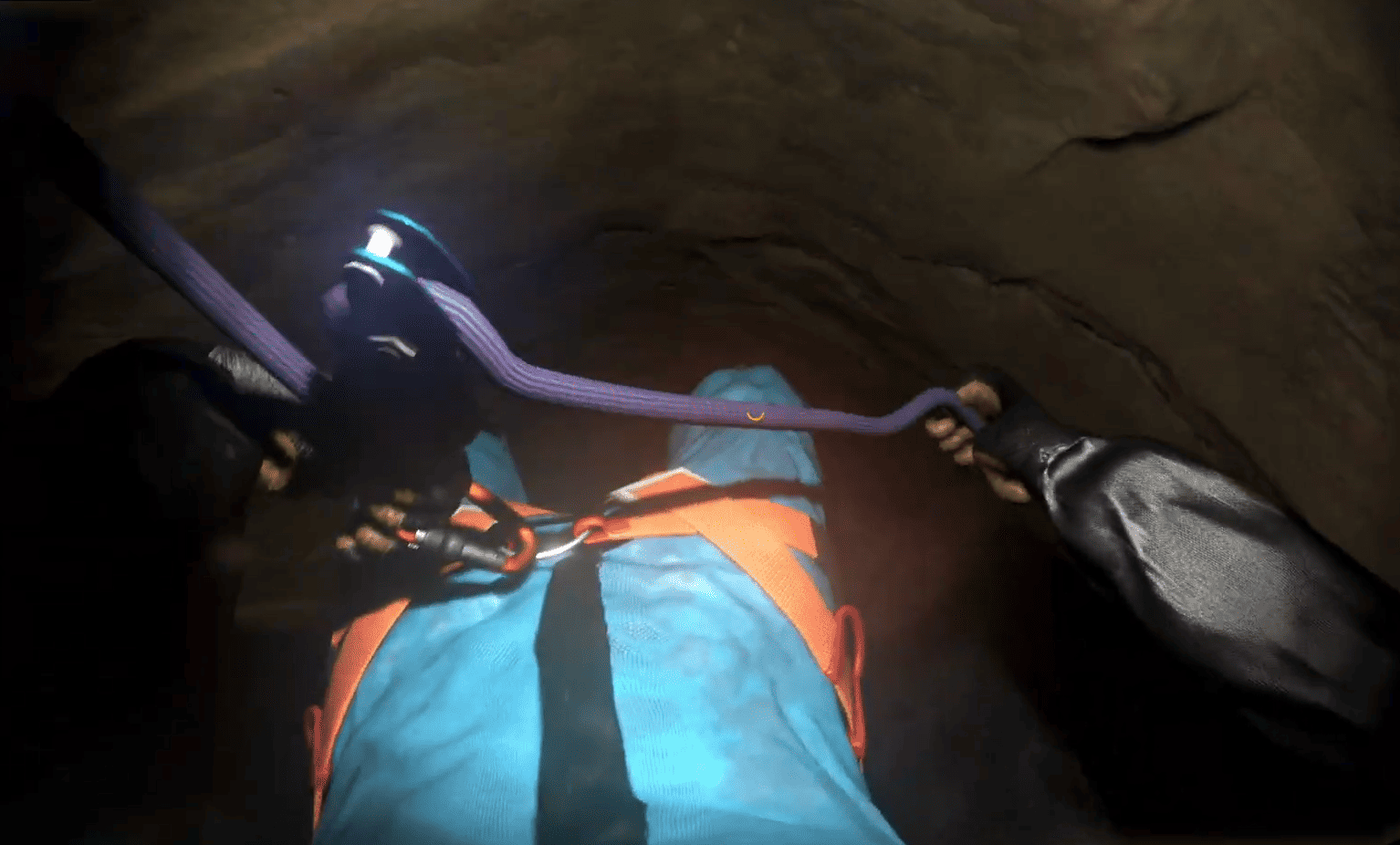 Moonmilk Games explains why Cave Expedition's ropes and player body use the same physics system, and the extra work that required.
 -
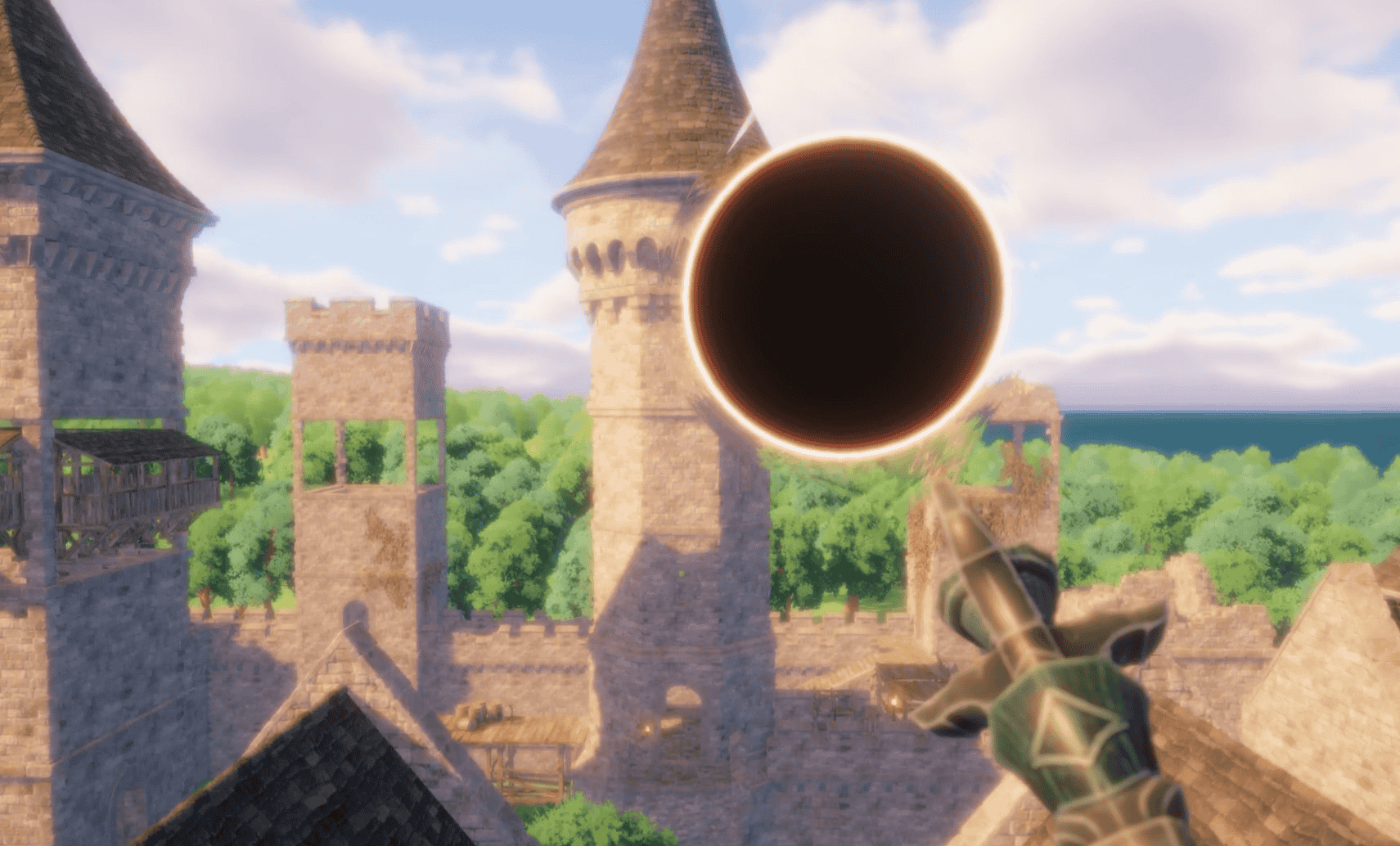 Karigami is experimenting with a game where some magic may be possible from the start, if you can figure out how to cast it. The project is still in early stages.
 -
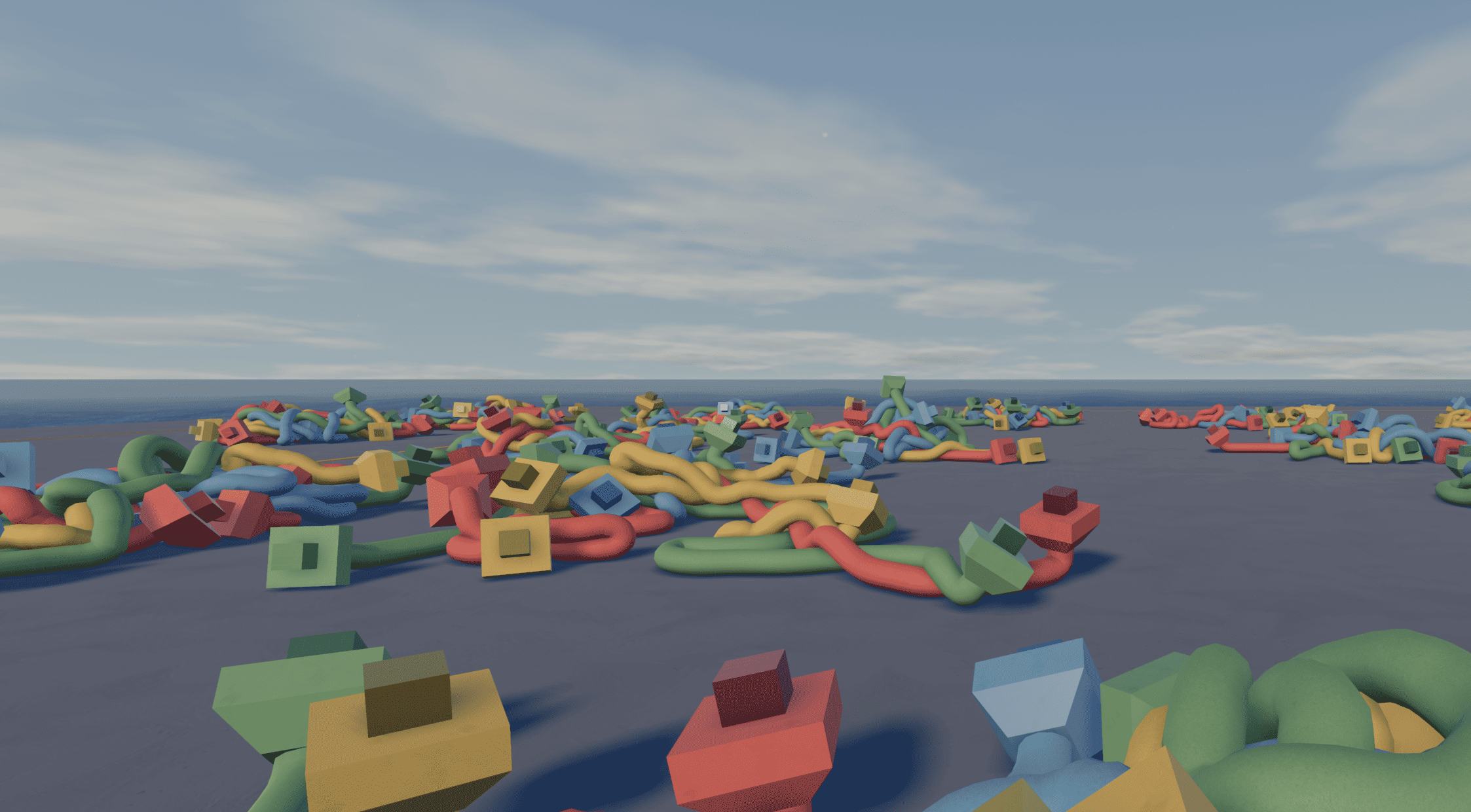 A cable in Knode can snag on a ledge, form a knot or slip back down after a long climb. Developer Denis shares how the simulation makes those puzzles work.
