
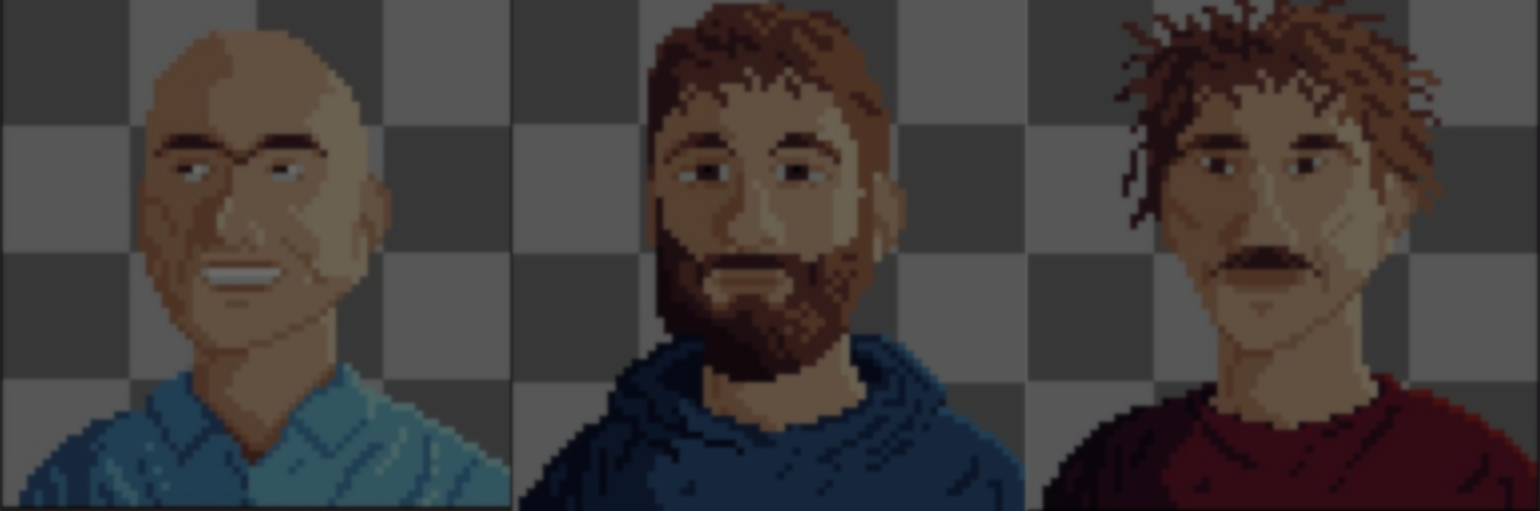
An indie developer, known as PopGames, shared a modular portrait system they are building for their upcoming game Little Game Devs, a tycoon focused on game development.
The idea comes from a common problem in these types of games: when you have hundreds or thousands of characters, creating unique portraits for all of them becomes difficult.
At first, the project used portraits made by an artist, but scaling that to thousands of characters was not viable. Reusing portraits was not an option either, since it went against the main idea of the game: making each character feel unique.
At first, the project used portraits made by an artist, but scaling that to thousands of characters was not viable. Reusing portraits was not an option either, since it went against the main idea of the game: making each character feel unique.
This is where they decided to go with one simple solution, modular portraits.
Made a modular portrait system for my game, I would like to hear your opinion
by u/Psych0191 in SoloDevelopment
Instead of creating full characters, the system splits each portrait into parts: heads, eyes, mouths, noses, eyebrows, hairstyles, clothes, and beards.
Each of these parts has multiple variations, and by combining them, the system can generate thousands of different characters.
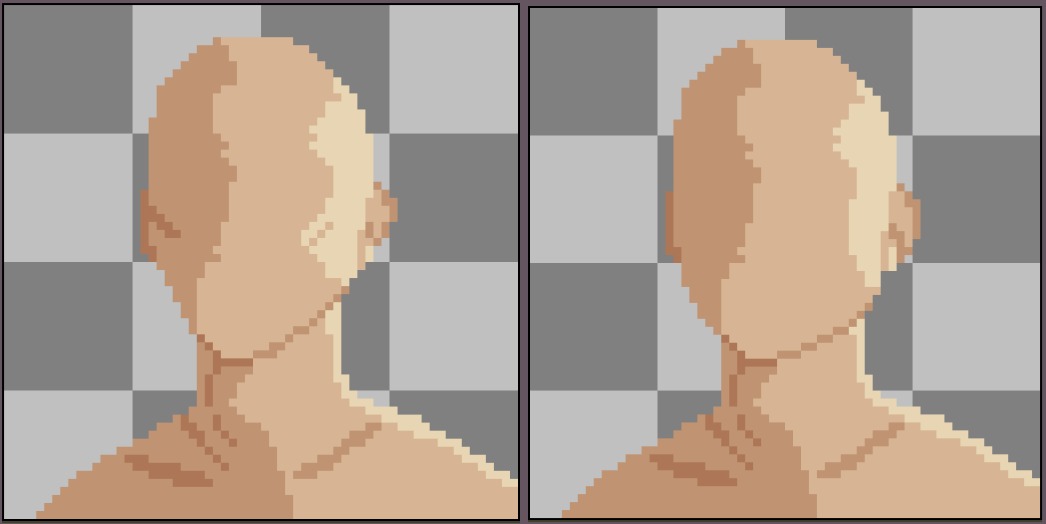
For this to work, each module is drawn with specific limits, so that all combinations fit together correctly regardless of which pieces are used.
Character generation is based on a DNA system: each character has a sequence of numbers that defines which variation is used for each module.
For example, one number can represent the eyes, another the hairstyle, and so on, creating a different character each time.
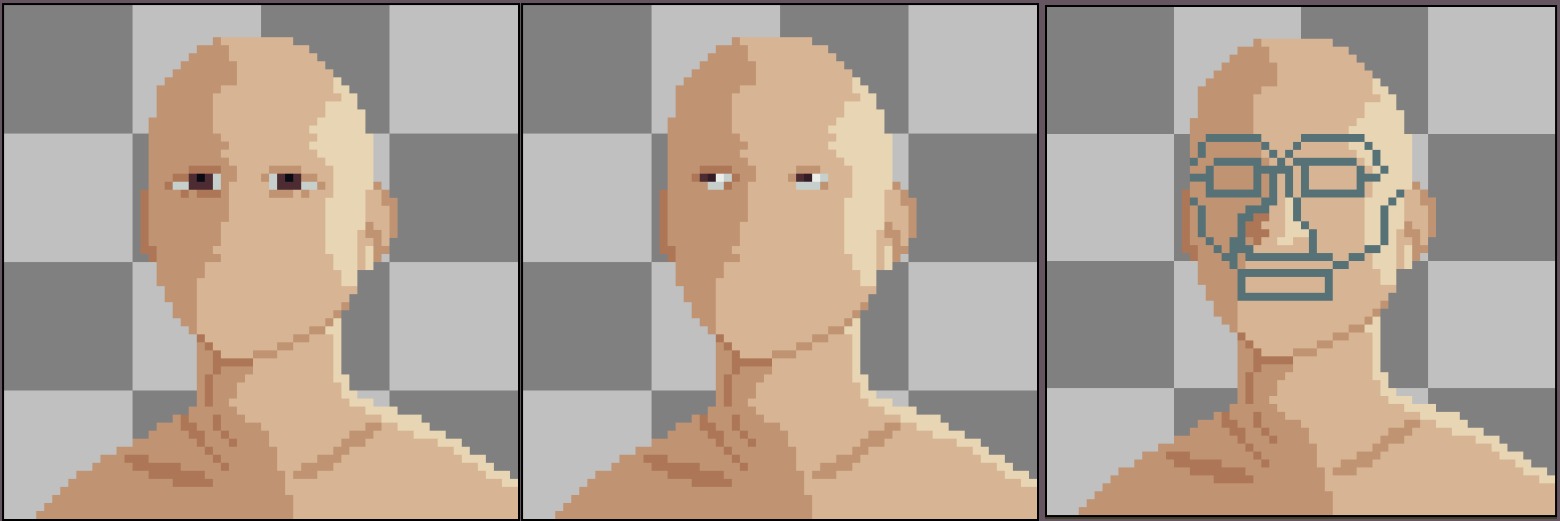
One of the main challenges was handling color. The first idea was to use grayscale modules and apply color through code.
However, this did not work well in all cases, especially for the eyes, since they have more than one color.
However, this did not work well in all cases, especially for the eyes, since they have more than one color.
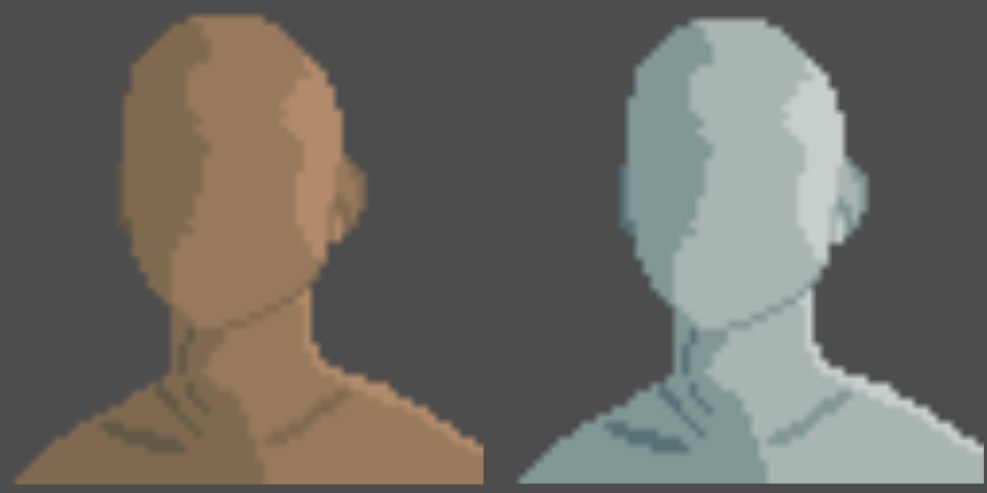
The creator then tried a more complex idea: using heightmaps to blend variations and apply color on top.

It worked, but it was more complex than it needed to be. In the end, they went with a simpler solution: creating color variations for each module manually
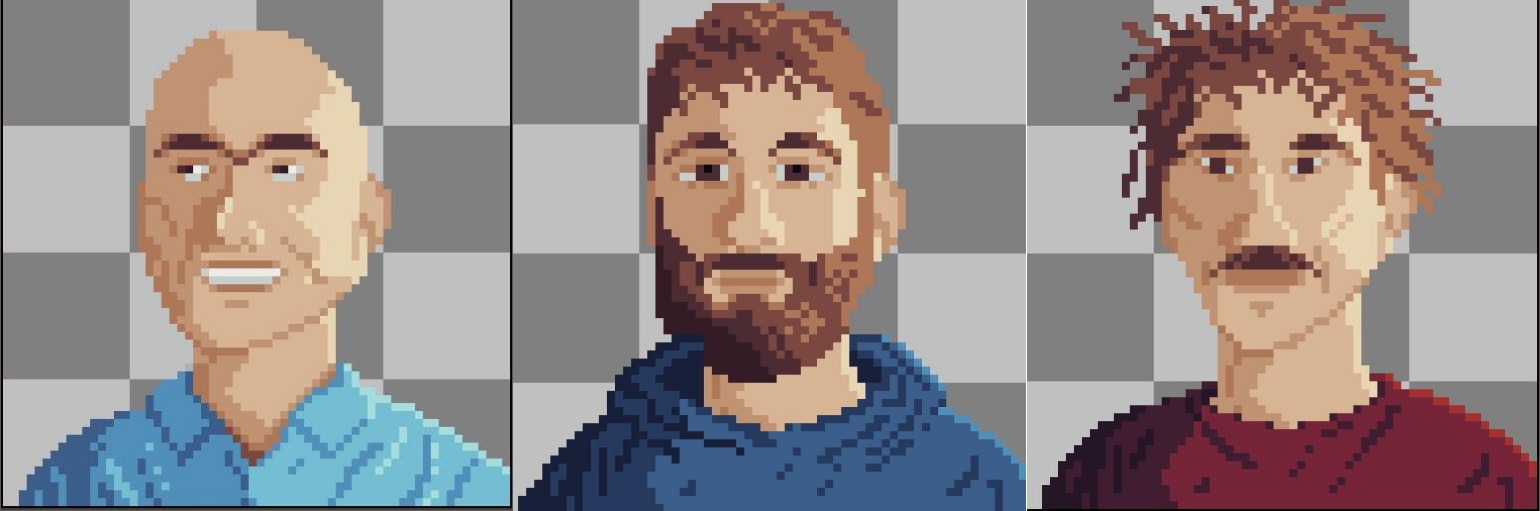
Since it is based on modules, it also opens the door to other ideas. As the creator mentions, this system could be used to implement inheritance between characters. It could also allow players to add their own modules through modding.
If you want to see more from the creator, you can find their links below:
- X / Twitter: https://x.com/PopGames2025
- Official Game Discord: https://discord.gg/Dcw68nzP3
Interested in learning more?
If you’re interested in the technical side of Unity? The Unity Dev Bundle brings together six books covering shaders, math, procedural shapes, editor tools, and character customization.
This is for developers and technical artists who want to build a stronger foundation and work with more advanced graphics and systems in their projects.
Shaders, tools, animation, math, and more, the new "Unity Dev Bundle" is still available for a bit longer. 🔥 Get it here: https://t.co/gPPcuZDuFX#unity3d #gamedev pic.twitter.com/mnxRUCtUHC
— Jettelly Inc. (@jettelly) April 8, 2026
Jettelly wishes you success in your professional career!
Did you find an error? No worries!
Write to us at [email protected], and we'll fix it!

Level up your skills in Unity with our new six books bundle!
We invite you to explore "The Unity Dev Bundle", a comprehensive bundle on the concepts and fundamentals seen in this post.
Other posts that might interest you.
-
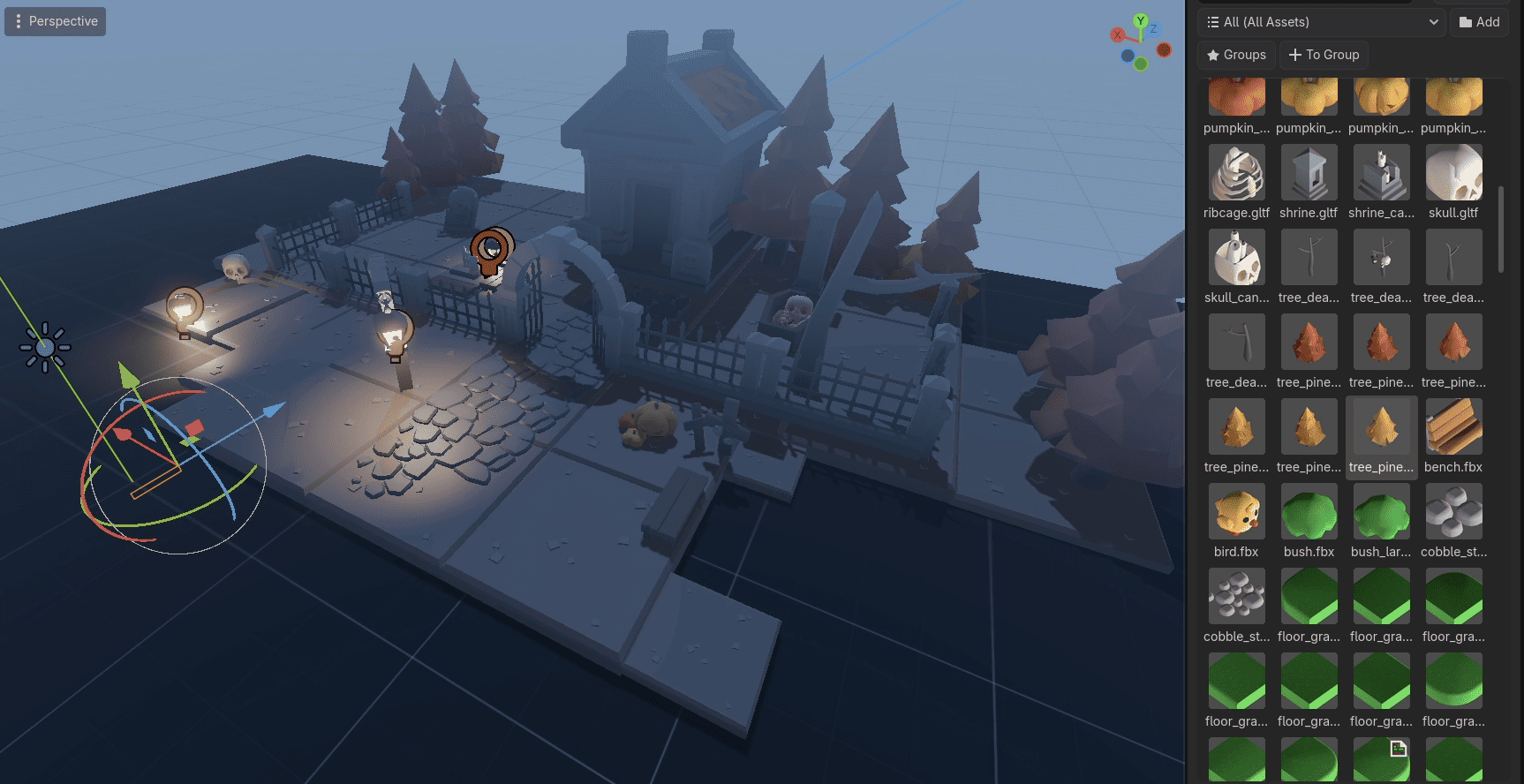 Mingdosa shared some technical details behind OmniBuilder, a Godot plugin focused on making level design feel more interactive and game-like
 -
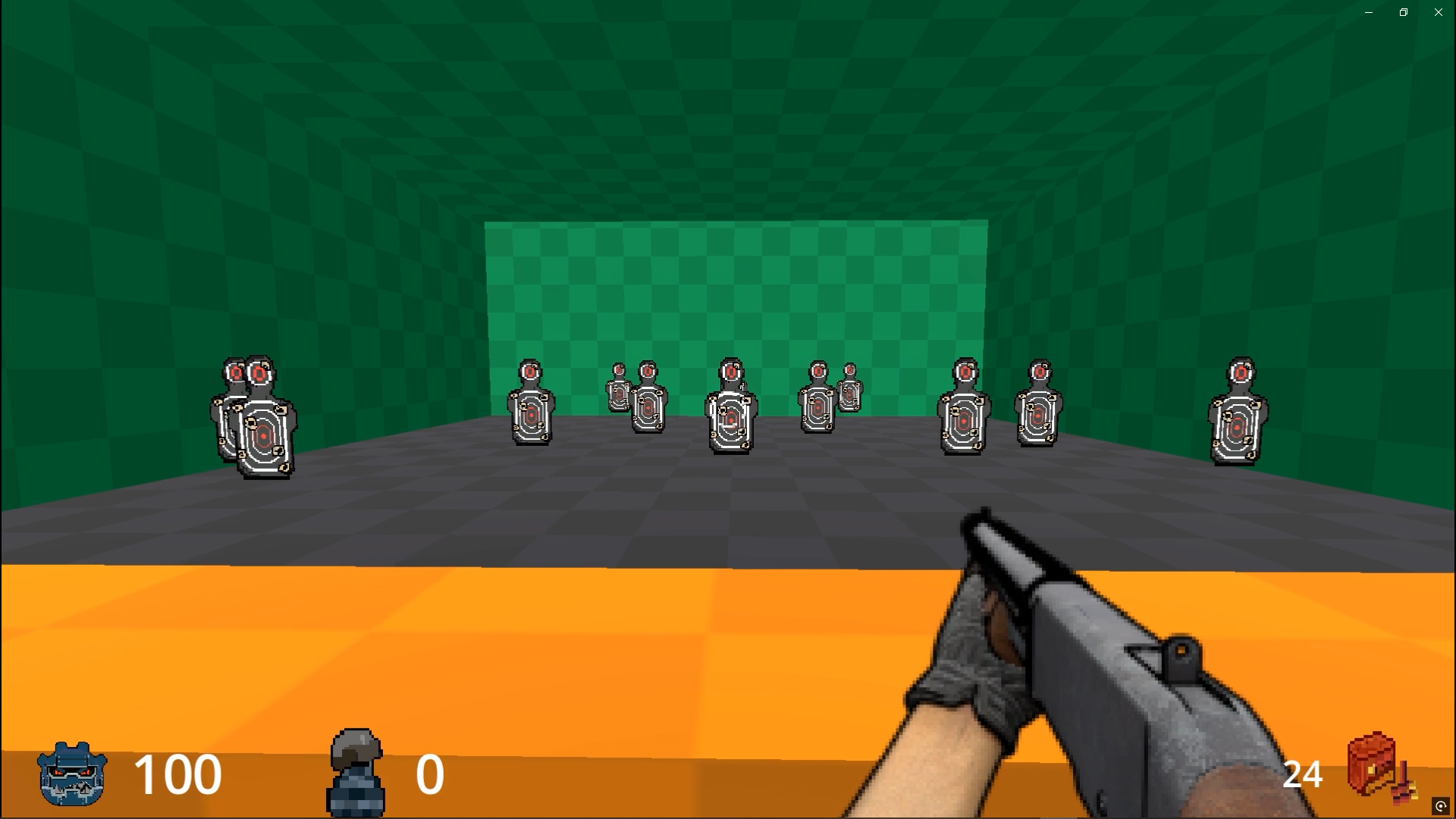 Check out FelixarStudio’s new retro FPS weapon system that uses Godot Custom Resources and a single Weapon Manager to create different weapons.
 -
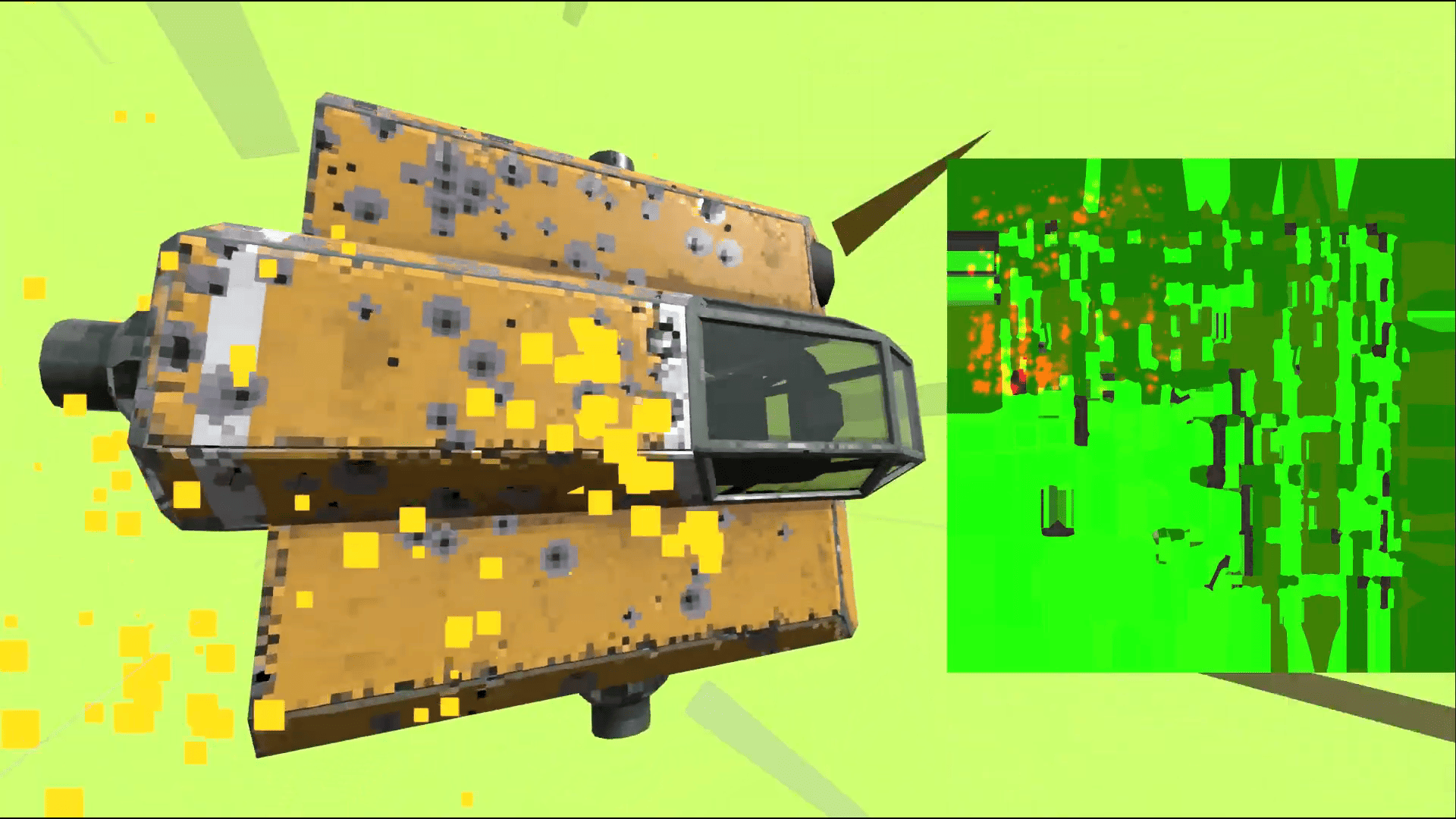 Take a look at how the indie game Steel Defiance uses a texture-based armor system where bullet impacts physically weaken armor over time.
