
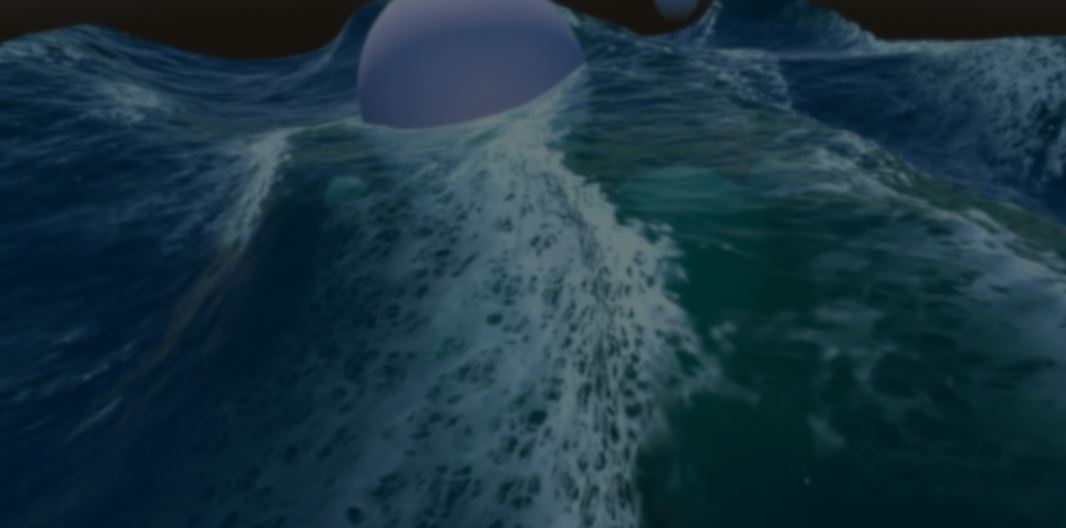
Emil took inspiration from the foam in Sea of Thieves while building an ocean in Godot. He was still fairly new to shaders, but liked working through the math and seeing an idea actually work.
His first version used wave normals to put foam on steep sections. It looked good with some settings, but became less convincing when he changed the waves' direction or amplitude.
He had heard about the Jacobian determinant in The Technical Art of Sea of Thieves, then spent days learning what it measured. For his ocean, the useful question was whether a small patch of water gets squeezed as the wave moves sideways.
The wave displacements are stored in a texture. Emil samples nearby points along its U and V directions and looks at where they land after moving horizontally across X and Z. The Jacobian determinant measures the change in area between those points. Where the area shrinks, the shader adds foam.
The samples can be much closer together than the ocean mesh's vertices, so the foam can pick up smaller changes in the waves.
White patches still looked flat, so Emil gave the compressed areas a foam texture. He also made the foam fade after the compression eases, rather than disappear at once.
The waves already had fine noise that changed their height. Since the foam calculation only looked at horizontal movement, that noise did not affect it. Emil added a little of the same noise to the horizontal movement too, giving the foam smaller streaks.
Since sharing the foam, Emil has added refraction and depth fading to the ocean and published a separate tutorial on those effects.
You can see the tutorials, shader and original post here:
- Foam tutorial: Create Dynamic Ocean Foam in Godot
- Shader code: Godot water shader on GitHub
- Later update: Refraction and depth fading
Want to learn more about shaders?
Our Shaders Bible Collection brings together six books on shaders and game development math for Godot and Unity!
Getting into shaders or trying to make your game look better? 👀 Check out our new 6-book bundle for Unity & Godot.
— Jettelly Inc. (@jettelly) April 4, 2026
From math basics to building your own VFX ✨ https://t.co/hnkVeV5Sa0#unity3d #godot #realtimevfx pic.twitter.com/z8xXcfVjw9
Jettelly wishes you success in your professional career!
Did you find an error? No worries!
Write to us at [email protected], and we'll fix it!
Other posts that might interest you.
-
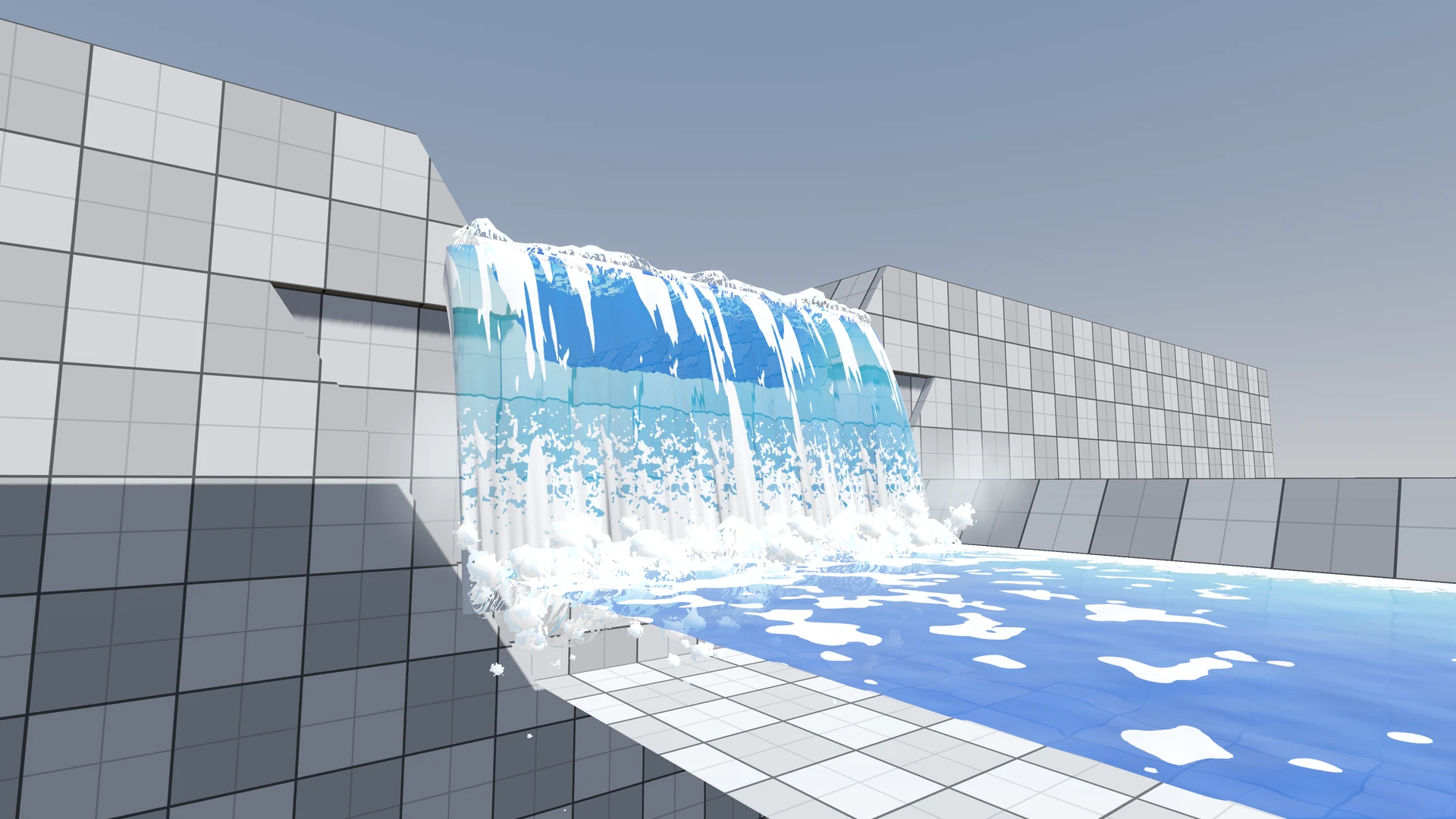 The river in Windup Wonderland looked clear, but its foam kept repeating and the waterfall felt flat. After feedback on Reddit, zhan reworked both in Godot.
 -
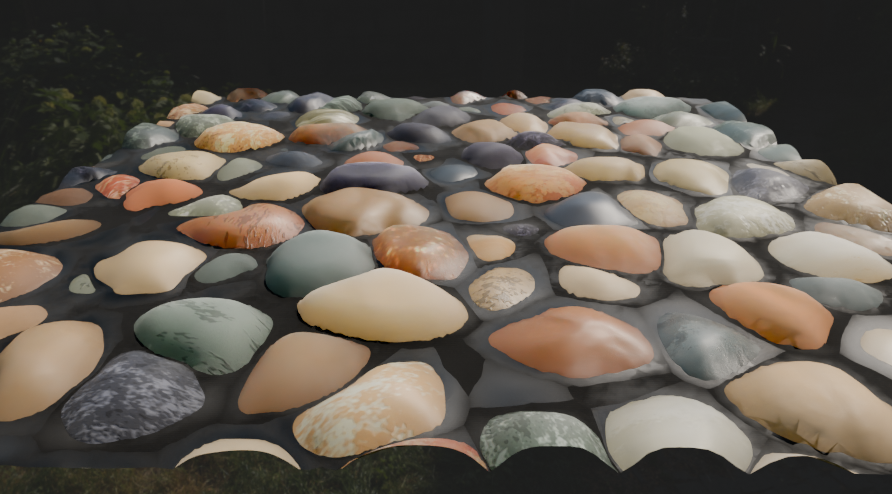 Nompen photographed a pebblecrete walkway and recreated it in Blender. The tricky part was making the stones’ colors and markings vary without obvious repetition.
 -
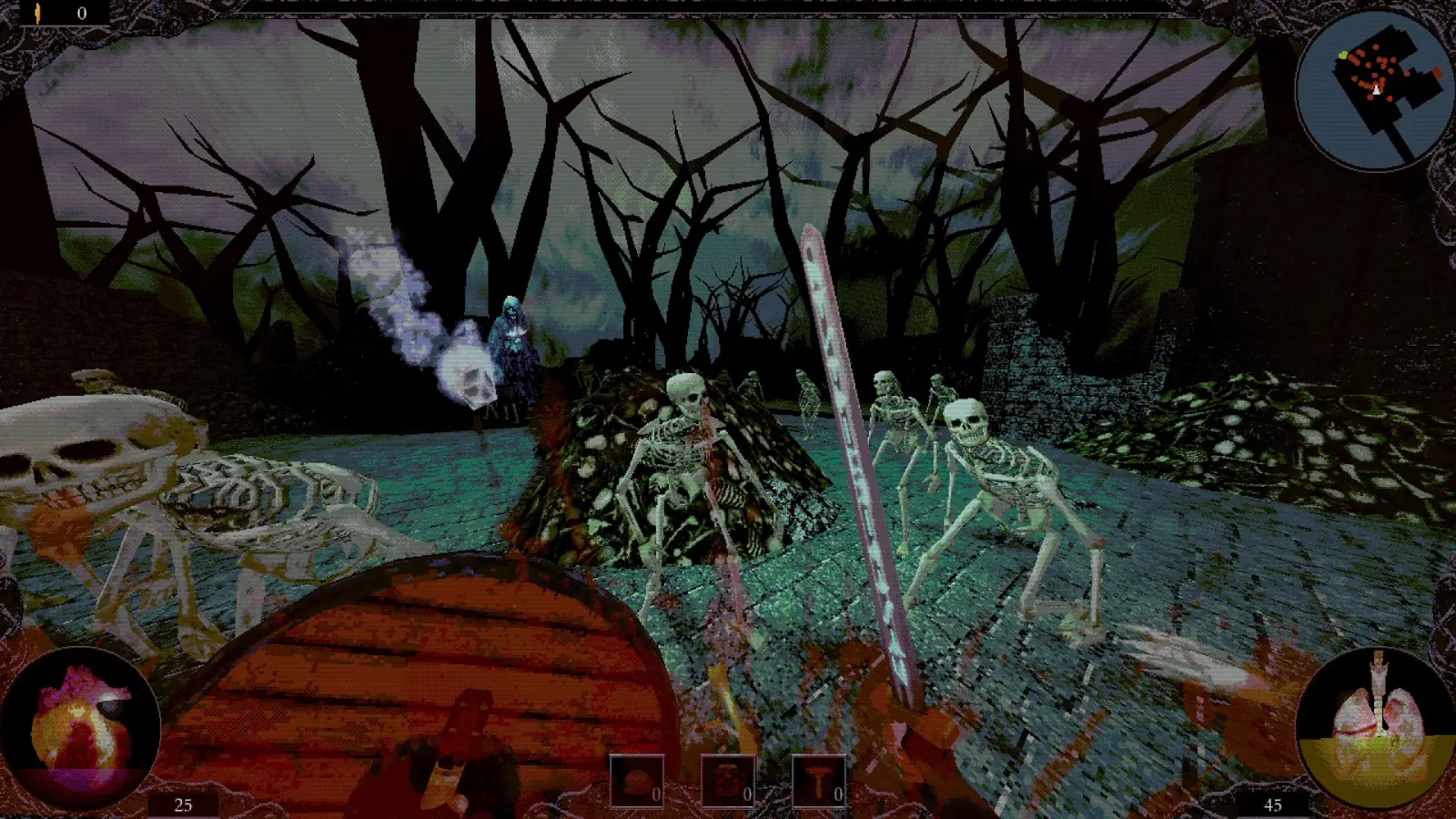 In ALLFATHER, enemies move and attack on a shared clock while the player fights in real time. Tommy McKay explains why he rebuilt their navigation around a grid.
